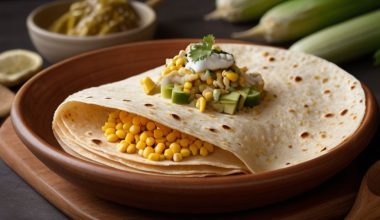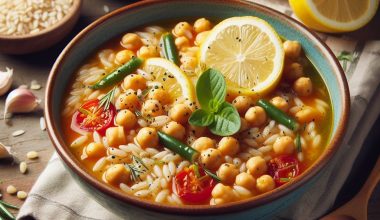
Mediterranean diet recipes for GERD sufferers focus on low-acid, nutritious foods to alleviate symptoms. Incorporating fresh vegetables, lean proteins, whole grains, and healthy fats can help manage GERD effectively.
GERD, or gastroesophageal reflux disease, can be challenging to navigate when it comes to meal planning. However, by following a Mediterranean diet rich in fruits, vegetables, whole grains, lean proteins, and healthy fats, individuals with GERD can find relief from their symptoms.
These recipes not only prioritize low-acid foods but also offer a variety of flavors and textures to ensure a satisfying dining experience while supporting digestive health. By making simple swaps and creative adjustments, GERD sufferers can enjoy delicious meals without exacerbating their condition. Let’s explore some mouthwatering Mediterranean diet recipes tailored for those with GERD.
What is GERD?
Gastroesophageal reflux disease (GERD) is a chronic condition that affects the digestive system, specifically the lower esophageal sphincter (LES) – a muscle that acts as a valve between the stomach and the esophagus. When this valve weakens or relaxes, it allows stomach acid and other contents to flow back up into the esophagus, causing irritation and discomfort.
Causes Of GERD
Several factors can contribute to the development of GERD. The most common causes include:
- Hiatal hernia, which occurs when the upper part of the stomach protrudes into the chest through the diaphragm opening.
- Weakened lower esophageal sphincter (LES) that fails to close tightly, allowing stomach acid to flow back up into the esophagus.
- Abnormalities in the stomach’s ability to empty itself, causing acid to accumulate and reflux into the esophagus.
- Obesity or overweight, which puts extra pressure on the stomach and LES, leading to acid reflux.
- Smoking, as it weakens the LES and increases acid production in the stomach.
Symptoms Of GERD
GERD manifests through various symptoms that can range from mild to severe. Some common symptoms include:
- Heartburn, a burning sensation in the chest that often worsens after eating or lying down.
- Regurgitation of acid or food into the mouth.
- Difficulty swallowing or a sensation of food getting stuck in the throat.
- Chronic cough, especially at night.
- Hoarseness or sore throat.
It’s essential to note that these symptoms may vary from person to person, and some individuals may experience only a few of them. If you have any concerns or suspect you may have GERD, it’s crucial to consult with a healthcare professional for an accurate diagnosis and proper treatment plan.
Understanding The Mediterranean Diet for GERD Sufferer
The Mediterranean Diet is a healthy eating plan that emphasizes fruits, vegetables, whole grains, and lean proteins. It is inspired by the traditional dietary patterns of countries bordering the Mediterranean Sea.
Key Principles of the Mediterranean Diet for GERD Sufferers:
-
Emphasis on Whole Foods: The Mediterranean diet encourages the consumption of whole, minimally processed foods such as fruits, vegetables, whole grains, nuts, seeds, legumes, and lean proteins. These foods are generally easier to digest and less likely to trigger reflux symptoms.
-
Healthy Fats: While the Mediterranean diet includes healthy fats from sources like olive oil, nuts, and fatty fish, it limits saturated and trans fats found in processed and fried foods. This can help reduce the risk of exacerbating GERD symptoms associated with high-fat meals.
-
Moderate Portions: Portion control is an essential aspect of the Mediterranean diet. Eating smaller, more frequent meals throughout the day rather than large, heavy meals can help prevent overeating and reduce pressure on the lower esophageal sphincter (LES), which can contribute to acid reflux.
-
Limited Trigger Foods: The Mediterranean diet minimizes or avoids common trigger foods for GERD, such as citrus fruits, tomatoes, onions, garlic, spicy foods, chocolate, caffeine, and carbonated beverages. These foods can relax the LES or increase stomach acid production, leading to reflux symptoms.
-
Incorporation of Antioxidants and Anti-inflammatory Foods: The Mediterranean diet is rich in antioxidants and anti-inflammatory compounds found in fruits, vegetables, herbs, and spices. These nutrients help reduce inflammation in the digestive tract and promote healing, which may alleviate GERD symptoms.
| Food Group | Key Components |
|---|---|
| Fruits & Vegetables | Vitamins, Minerals, Antioxidants |
| Whole Grains | Fiber, Essential Nutrients |
| Healthy Fats | Olive Oil, Nuts, Seeds |
| Lean Proteins | Fish, Poultry, Beans, Legumes |
Benefits For GERD Sufferers
- Anti-Inflammatory: Reduces inflammation in the digestive tract.
- Rich in Fiber: Supports digestion and helps maintain a healthy weight.
- Low in Acidic Foods: Minimizes triggers for acid reflux.
- Heart-Healthy: Promotes cardiovascular health and overall well-being.
Important Considerations:
- Stay Hydrated: Drink plenty of water throughout the day to maintain hydration and aid digestion.
- Mindful Eating: Chew food slowly and thoroughly, and avoid lying down immediately after eating to prevent reflux.
- Limit Alcohol and Caffeine: Moderate consumption of alcohol and caffeine, which can relax the LES and trigger reflux.
- Consult with a Healthcare Provider: Individual dietary needs and tolerances vary. Consult with a healthcare provider or registered dietitian to develop a personalized meal plan that addresses your specific GERD symptoms and nutritional requirements.
By following the principles of the Mediterranean diet and making mindful food choices, individuals with GERD can enjoy delicious and nutritious meals while managing their symptoms effectively.
Foods To Avoid With GERD
If you suffer from GERD, being mindful of the foods you eat is crucial. Here are the H3 headings focusing on Foods to Avoid with GERD:
Triggering Foods
- Citrus fruits can trigger GERD symptoms due to their acidity.
- Spicy foods like hot peppers can exacerbate GERD discomfort.
- Tomato-based products such as pasta sauces can lead to reflux issues.
- Carbonated beverages like soda may cause bloating and worsen GERD.
Problematic Ingredients
- Caffeine: Found in coffee and tea, can relax the lower esophageal sphincter.
- Fatty Foods: High-fat meals can delay stomach emptying, triggering GERD.
- Mint: Peppermint can relax the esophageal sphincter, worsening symptoms.
- Alcohol: Can increase stomach acid production, leading to irritation.
Mediterranean Diet Recipes For GERD
If you suffer from GERD (Gastroesophageal Reflux Disease), finding the right diet can be a challenge. However, the Mediterranean diet has been touted as a healthy option for GERD sufferers. This diet focuses on consuming whole foods that are low in fat and high in nutrients, while avoiding triggers that can worsen acid reflux.
In this blog post, we will share some delicious Mediterranean diet recipes that are specifically tailored for individuals with GERD. Incorporating these recipes into your meal plan can help alleviate symptoms and promote overall digestive health.
Breakfast Ideas
Starting your day with a nourishing and GERD-friendly breakfast is essential. Here are some Mediterranean-inspired breakfast recipes that will satisfy your taste buds:
- Fruit and Yogurt Parfait: Layer Greek yogurt with fresh mixed berries, a sprinkle of granola, and a drizzle of honey for a vibrant and refreshing start to your day.
- Spinach and Feta Omelet: Whip up an omelet filled with sautéed spinach, crumbled feta cheese, and diced tomatoes. This protein-packed breakfast will keep you energized throughout the morning.
- Whole Grain Toast with Avocado and Salmon: Toast a slice of whole grain bread and top it with mashed avocado and smoked salmon for a satisfying and heart-healthy breakfast.
Lunch And Dinner Recipes
For lunch or dinner, enjoy these Mediterranean diet recipes that are suitable for GERD sufferers:
- Greek Salad with Grilled Chicken: Toss together fresh lettuce, cucumbers, cherry tomatoes, olives, and grilled chicken. Drizzle with olive oil and lemon juice for a light and flavorful meal.
- Mediterranean Baked Fish: Season white fish fillets with lemon juice, garlic, and herbs. Bake until flaky and serve with a side of roasted vegetables for a nutritious and delicious dinner.
- Quinoa Stuffed Bell Peppers: Fill bell peppers with cooked quinoa, chopped vegetables, and feta cheese. Bake until tender and enjoy this wholesome meal that is packed with fiber and vitamins.
Snack Options
When hunger strikes between meals, opt for these GERD-friendly snacks that incorporate Mediterranean flavors:
- Greek Yogurt with Fresh Fruit: Combine creamy Greek yogurt with your favorite fruits such as berries or sliced peaches. Sprinkle with a dash of cinnamon for a satisfying and nutritious snack.
- Cucumber and Hummus Bites: Slice cucumbers into rounds and top each slice with a dollop of hummus. These crunchy and refreshing bites are perfect for satisfying cravings.
- Mediterranean Trail Mix: Create a mix of nuts, dried fruits, and whole grain cereal. Season lightly with herbs such as oregano or thyme to enhance the Mediterranean flavors.
By incorporating these Mediterranean diet recipes into your meal plan, you can enjoy a variety of flavorful and GERD-friendly dishes. Remember to consult with your healthcare provider or a registered dietitian before making any significant dietary changes. Enjoy a delicious and healthy journey towards relieving your GERD symptoms!
Meal Planning Tips
Discover effective meal planning tips for managing GERD with Mediterranean diet recipes. Combat acidity and heartburn symptoms with these flavorful and soothing meal options. Promote digestive health and well-being through delicious and GERD-friendly Mediterranean dishes.
Meal planning is an essential part of managing GERD symptoms, and the Mediterranean diet offers a wealth of delicious and soothing recipes that can help alleviate discomfort. Balancing meals – Ensuring a balance of nutritious and gentle-on-the-stomach foods is crucial for GERD sufferers. Incorporating a variety of whole grains, lean proteins, and healthy fats can promote optimal digestion and reduce symptoms.
Incorporating Anti-inflammatory Ingredients – Choosing ingredients that have anti-inflammatory properties can further support digestive health and mitigate GERD symptoms. Including foods rich in omega-3 fatty acids, such as salmon and walnuts, as well as plenty of fruits and vegetables, can help reduce inflammation in the digestive tract.
When meal planning for GERD, it’s also beneficial to incorporate foods like turmeric, ginger, and green tea, which have natural anti-inflammatory properties. By consistently including these ingredients in Mediterranean dishes, GERD sufferers can support their digestive wellness and potentially experience symptom relief. Incorporating Anti-inflammatory Ingredients – Salmon – Walnuts – Fruits – Vegetables – Turmeric – Ginger – Green tea
Managing Portion Sizes
The management of portion sizes is crucial for individuals following the Mediterranean diet to alleviate symptoms of Gastroesophageal Reflux Disease (GERD). Effective portion control can aid in reducing the frequency and severity of acid reflux, helping GERD sufferers enjoy the diverse and flavorful meals associated with this heart-healthy dietary approach.
Importance Of Portion Control
Controlling portion sizes is a fundamental aspect of managing GERD symptoms with the Mediterranean diet. Large meals can put pressure on the lower esophageal sphincter, leading to increased instances of acid reflux. By focusing on appropriate portion sizes, individuals can lessen the likelihood of experiencing discomfort and acid reflux, thereby improving their quality of life.
Recommended Serving Sizes
Understanding the recommended serving sizes for various food groups within the Mediterranean diet can empower GERD sufferers to make informed choices about their meals. Abiding by these serving sizes can help maintain a healthy weight, prevent overeating, and minimize the risk of triggering acid reflux symptoms. Including an adequate balance of vegetables, fruits, whole grains, lean proteins, and healthy fats in appropriate portions can promote digestive wellness and minimize discomfort associated with GERD.
Incorporating Lifestyle Changes
Experience the benefits of a Mediterranean diet with these GERD-friendly recipes. Incorporating lifestyle changes can help alleviate symptoms while enjoying delicious meals that support overall health.
Stress Management
For individuals dealing with GERD (gastroesophageal reflux disease), stress management is key to finding relief and maintaining a healthy lifestyle. Stress can often exacerbate symptoms and trigger acid reflux, so it’s important to prioritize stress reduction techniques.
Simple yet effective methods such as deep breathing exercises, meditation, and yoga can help calm the mind and relax the body.identify and address the underlying causes of stress in your life, whether it be work-related pressures or personal issues.
Take time for yourself and engage in activities that bring you joy and relaxation, such as reading a book, spending time in nature, or listening to calming music. Remember, managing stress not only benefits your overall well-being but also helps to minimize GERD symptoms.
Physical Activity
Physical activity plays a crucial role in managing GERD symptoms and maintaining a healthy weight. Engaging in regular exercise helps to strengthen the muscles in the abdomen and promote digestion. It’s important to note that intense exercise immediately after eating may exacerbate symptoms, so it’s recommended to wait at least two hours before engaging in vigorous workouts.
Instead, opt for low-impact exercises, such as walking, swimming, or cycling, which can be gentle on the stomach and minimize the risk of acid reflux. Incorporating physical activity into your daily routine not only aids in digestion but also promotes overall well-being and reduces the risk of other health conditions.
To effectively incorporate lifestyle changes for GERD sufferers, it’s important to prioritize stress management and physical activity. By taking steps to reduce stress levels and engage in moderate exercise regularly, individuals can improve their overall well-being and minimize GERD symptoms. Remember to consult with your healthcare provider before making any significant changes to your lifestyle or diet to ensure it aligns with your specific needs.
Consulting A Dietitian Or Doctor
If you are a GERD sufferer and considering the Mediterranean diet, consulting a dietitian or doctor is essential to ensure the recipes are suitable for your condition. A healthcare professional can provide personalized guidance and recommendations tailored to your specific needs and medical history.
Importance of Professional Guidance
Consulting a dietitian or doctor is crucial for individuals with GERD. Professionals can provide tailored advice.
Creating a Personalized Plan
Receiving personalized guidance ensures effective management of GERD symptoms through a Mediterranean diet.
Educate yourself on suitable food choices and portions that won’t trigger reflux episodes.
Designed by professionals, a personalized plan also considers individual preferences to make it sustainable.
Consulting a dietitian or doctor helps optimize your health outcomes while following the Mediterranean diet.
Frequently Asked Questions of Mediterranean Diet Recipes For Gerd Sufferers
What Are The Key Principles of The Mediterranean Diet For Gerd Sufferers?
The Mediterranean diet emphasizes whole, unprocessed foods, such as fruits, vegetables, whole grains, and lean proteins. It also encourages healthy fats, like olive oil, and reduced intake of processed and high-fat foods, which can benefit Gerd sufferers.
Can The Mediterranean Diet Help Alleviate Gerd Symptoms?
Yes, the Mediterranean diet can help alleviate Gerd symptoms by promoting a lower intake of acidic and fatty foods commonly associated with triggering reflux. Its emphasis on plant-based foods and healthy fats can support a reduction in symptoms for Gerd sufferers.
Are There Specific Mediterranean Diet Recipes Suitable For Gerd Sufferers?
Certainly! There are numerous Mediterranean diet recipes tailored for Gerd sufferers, incorporating ingredients known to be gentle on the digestive system while providing essential nutrients. These recipes offer a variety of flavorful and soothing options that align with Gerd dietary guidelines.
Conclusion
To sum it up, the Mediterranean diet offers a promising solution for individuals suffering from GERD. By incorporating these delicious, nutrient-rich recipes into your daily routine, you can enjoy a variety of flavorful meals while avoiding triggers that aggravate your condition.
With its emphasis on fresh fruits and vegetables, whole grains, lean proteins, and healthy fats, this diet not only promotes digestive health but also provides numerous other benefits for overall well-being. Start implementing these Mediterranean-inspired recipes today and experience the positive impact it can have on your GERD symptoms.