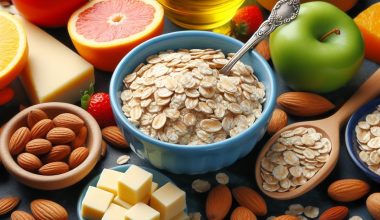
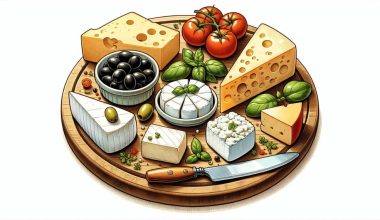
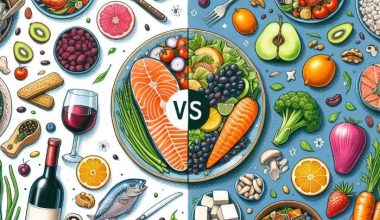
The question today we are discussing is, can you eat Maraschino Cherries on the Mediterranean Diet? Maraschino cherries are typically not considered a staple of the Mediterranean diet due to their high sugar content and processing methods. The Mediterranean diet primarily emphasizes whole, minimally processed foods such as fruits, vegetables, whole grains, legumes, nuts, seeds, and olive oil.
Maraschino cherries undergo a preservation process that involves soaking them in a syrup solution containing added sugars and artificial coloring, which is contrary to the principles of the Mediterranean diet.
While it’s okay to enjoy occasional treats or indulgences in moderation as part of a balanced diet, including maraschino cherries on a regular basis may not align with the overall philosophy of the Mediterranean diet, which prioritizes whole, nutrient-dense foods for optimal health.
Instead, you can opt for fresh or frozen cherries, which are rich in antioxidants, vitamins, and minerals, and can be incorporated into various Mediterranean-inspired dishes, such as salads, yogurt parfaits, or desserts, while still adhering to the principles of the diet.
Understanding Maraschino Cherries in the Context of the Mediterranean Diet
The Mediterranean diet, deeply rooted in the culinary traditions of countries bordering the Mediterranean Sea, embodies a holistic approach to healthful eating. While the diet primarily emphasizes whole, nutrient-rich foods, it’s essential to evaluate how occasional indulgences like maraschino cherries fit into this dietary pattern.
Key Components of the Mediterranean Diet and Their Relationship with Maraschino Cherries
Abundance of Fruits and Vegetables:
The Mediterranean diet encourages the consumption of a diverse array of fruits and vegetables for their vitamins, minerals, and antioxidants. While maraschino cherries are a preserved fruit, they are typically high in added sugars and may not offer the same nutritional benefits as fresh or minimally processed fruits.
Healthy Fats:
Healthy fats from sources like olive oil and nuts are central to the Mediterranean diet. Maraschino cherries, however, do not contribute to this aspect of the diet as they contain negligible amounts of healthy fats and are primarily known for their sugar content.
Moderate Consumption of Dairy Products, Fish, and Poultry:
Maraschino cherries do not fall within the categories of dairy, fish, or poultry, which are recommended in moderation in the Mediterranean diet for their protein and essential nutrient content.
Limited Intake of Red Meat:
While the Mediterranean diet advocates for limited consumption of red meat, maraschino cherries are not directly related to this aspect of the diet. However, their high sugar content may prompt individuals to consider moderation in their overall dietary intake.
Herbs and Spices for Flavoring:
Herbs and spices play a significant role in Mediterranean cuisine, enhancing flavor without relying on excessive salt or sugar. Maraschino cherries, on the other hand, contribute primarily to sweetness rather than the savory flavor profile typically associated with Mediterranean dishes.
Incorporating Maraschino Cherries with Moderation
While maraschino cherries may not align perfectly with the nutritional principles of the Mediterranean diet, they can still be enjoyed occasionally with moderation. Being mindful of portion sizes and frequency of consumption is key to ensuring they do not overshadow the nutrient-rich foods that form the foundation of the diet.
Healthier Alternatives and Mitigation Strategies
In the context of the Mediterranean diet, individuals may consider alternatives to maraschino cherries that better align with its emphasis on whole, natural foods. Fresh or frozen fruits, dried fruits, or natural sweeteners like honey can provide sweetness without the added sugars and artificial additives present in maraschino cherries.
Maraschino Cherries and the Mediterranean Diet
Maraschino cherries, typically made from sweet cherries that have been preserved and sweetened, are often used as a garnish in cocktails, desserts, and other dishes. While they can add a pop of color and sweetness to various culinary creations, their nutritional profile may not align perfectly with the Mediterranean diet.
Nutritional Profile
Maraschino cherries are characterized by their elevated sugar content, a factor that may raise concerns among adherents of the Mediterranean diet. This diet emphasizes the consumption of natural sugars derived from fruits, contrasting with the added sugars present in maraschino cherries. Furthermore, these cherries often undergo processing, introducing artificial colors and flavors which diverge from the emphasis on whole, natural foods integral to the Mediterranean diet.
Moderation is Key
While maraschino cherries may not constitute a cornerstone of the Mediterranean diet, their occasional enjoyment in moderate quantities can be reconciled within a balanced dietary approach. As with any indulgence, the principle of moderation reigns supreme. It is essential to exercise mindfulness regarding portion sizes and frequency of consumption when incorporating maraschino cherries into one’s dietary regimen.
Exploring Alternatives and Mitigation Strategies
In recognition of the nutritional considerations posed by maraschino cherries, individuals adhering to the Mediterranean diet may opt to explore alternatives or implement strategies to mitigate potential concerns:
Natural Sweeteners:
Substitute maraschino cherries with natural sweeteners such as fresh or dried fruits, honey, or maple syrup to infuse sweetness into dishes while adhering to the Mediterranean diet’s emphasis on natural sugars.
Whole Fruit Garnishes:
Embrace the vibrant hues and natural sweetness of whole fruits such as berries, citrus slices, or stone fruits as garnishes in cocktails, desserts, and savory dishes, aligning with the Mediterranean diet’s focus on whole, minimally processed foods.
Mindful Consumption:
Exercise mindfulness when indulging in maraschino cherries, savoring them as occasional treats rather than staples of daily consumption. By practicing moderation and mindful eating, individuals can maintain balance within their dietary patterns.
Culinary Creativity within the Mediterranean Diet
The Mediterranean diet offers a diverse array of flavorful and nutrient-rich ingredients, fostering culinary creativity while promoting health and well-being. Embrace the abundance of fruits, vegetables, whole grains, legumes, nuts, seeds, and olive oil to craft delicious and nourishing dishes that exemplify the essence of Mediterranean cuisine.
The Bottom Line
Frequently Asked Questions On Can You Eat Maraschino Cherries On The Mediterranean Diet
Can You Include Maraschino Cherries In The Mediterranean Diet?
Yes, maraschino cherries can be included in the Mediterranean diet in moderation. They add a sweet touch to certain dishes and desserts.
Are Maraschino Cherries Healthy?
While maraschino cherries are delicious, they are not considered a health food. They are high in sugar and may contain artificial colors and flavors.
Do Maraschino Cherries Offer Any Nutritional Benefits?
Maraschino cherries do provide some antioxidants and a small amount of vitamins and minerals. However, their nutritional benefits are outweighed by their high sugar content.
Can Maraschino Cherries Be Part Of A Balanced Diet?
In moderation, maraschino cherries can be enjoyed as part of a balanced diet. However, it’s important to be mindful of their high sugar content and limit consumption.