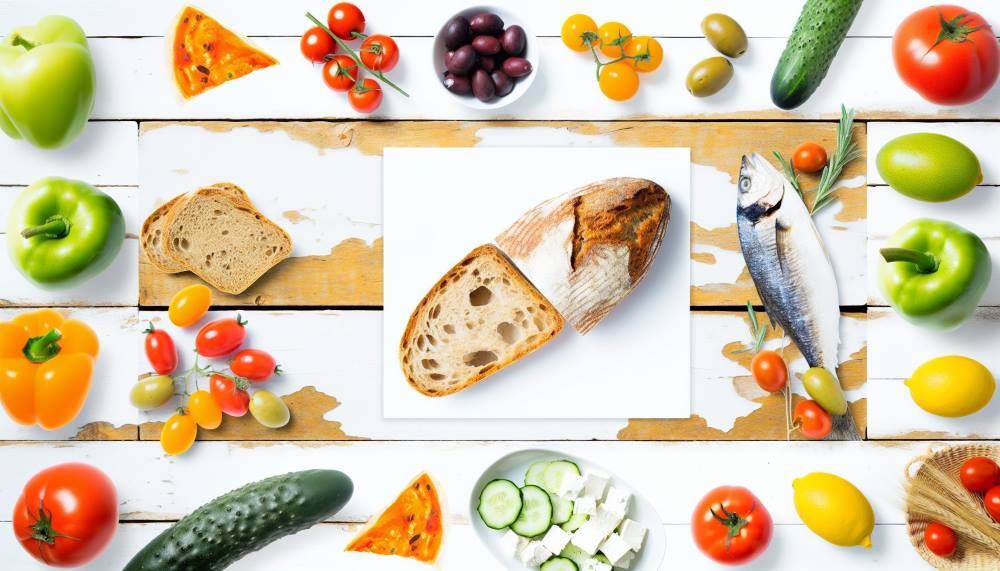
Can you eat sourdough bread on the Mediterranean diet? In this comprehensive guide, we’ll explore the nutritional benefits of sourdough bread, its alignment with the Mediterranean diet principles, and tips for enjoying it in a balanced way. From understanding the fermentation process to uncovering its impact on blood sugar levels, join us as we answer the question: Can You Eat Sourdough Bread on the Mediterranean Diet?
Understanding the Mediterranean Diet
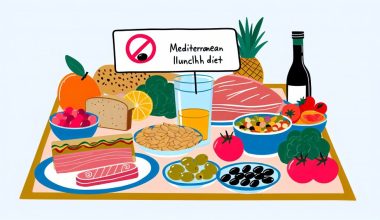
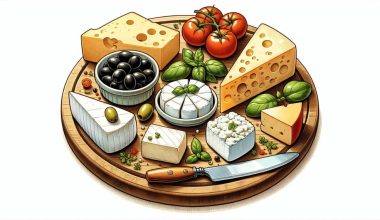
The Mediterranean diet is not just a fad; it’s a way of life that has been associated with numerous health benefits. This diet is characterized by high consumption of olive oil, fruits, vegetables, whole grains, and moderate amounts of fish, poultry, and red wine. It also includes low to moderate consumption of cheese and yogurt, and infrequent consumption of red meat and sweets.
One of the defining features of the Mediterranean diet is the use of whole grains, which are rich in fiber, vitamins, and minerals. People following this diet often opt for whole grain breads, as they provide more nutrients and fiber than their refined counterparts.
The Role of Sourdough Bread
Sourdough bread is made through a natural fermentation process that involves wild yeast and lactobacilli bacteria. This process gives sourdough bread its characteristic tangy flavor and chewy texture. Unlike commercial breads, which are often made with added yeast and dough conditioners, sourdough bread is typically made with just flour, water, and salt.
When it comes to the Mediterranean diet, the use of sourdough bread fits well within its principles. Sourdough bread is considered a whole grain bread, as it is made from the entire grain, unlike refined white bread. It retains the bran and germ, which are rich in fiber, B-vitamins, and antioxidants.
Additionally, the fermentation process that sourdough undergoes helps to break down gluten and ferment carbohydrates, making the bread easier to digest for some individuals. This may be particularly beneficial for those with mild gluten sensitivities.
Nutritional Benefits of Sourdough Bread
Given its natural fermentation and whole grain composition, sourdough bread offers various nutritional advantages. It is a good source of fiber, which supports digestive health and helps control blood sugar levels. The fiber content also contributes to a feeling of fullness, potentially aiding in weight management.
Sourdough bread also contains an array of vitamins and minerals, including B-vitamins, iron, magnesium, and zinc. These nutrients play important roles in energy metabolism, immune function, and overall well-being. Additionally, the fermentation process increases the bioavailability of certain nutrients, making them easier for the body to absorb.
In terms of its impact on blood sugar, sourdough bread has a lower glycemic index compared to many other breads, meaning it causes a slower and smaller rise in blood glucose levels after consumption. This can be beneficial for individuals looking to manage their blood sugar levels or reduce the risk of type 2 diabetes.
Best Practices for Enjoying Sourdough Bread on the Mediterranean Diet
As with any food, moderation is key when incorporating sourdough bread into the Mediterranean diet. While sourdough bread offers valuable nutrients, it’s important to be mindful of portion sizes, especially if weight management is a consideration.
Opt for whole grain sourdough breads whenever possible, as these retain more of the grain’s natural nutrients and fiber. Seek out artisanal or traditionally prepared sourdough breads, as they often undergo longer fermentation periods, which can further enhance their nutritional profile.
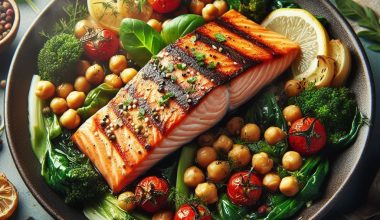
To fully embrace the Mediterranean diet, pair your sourdough bread with a variety of fresh vegetables, leafy greens, and healthy fats like olive oil and olives. This combination not only enriches the nutritional value of the meal but also aligns with the traditional eating patterns of Mediterranean populations.
Frequently Asked Questions On Can You Eat Sourdough Bread On The Mediterranean Diet
Can Sourdough Bread Be Part Of The Mediterranean Diet?
Yes, sourdough bread can definitely be included in the Mediterranean Diet. It aligns with the principles of the diet, which emphasizes whole, unprocessed foods.
Why Is Sourdough Bread A Good Choice For The Mediterranean Diet?
Sourdough bread is a good choice for the Mediterranean Diet because it is traditionally made using fermented dough, which offers various health benefits. It is easier to digest and has a lower glycemic index compared to regular bread.
What Makes Sourdough Bread Different From Other Breads?
Unlike other breads, sourdough bread is made using a natural fermentation process, where wild yeast and bacteria are used to leaven the dough. This natural fermentation gives sourdough bread its unique tangy flavor and texture.
Is Sourdough Bread A Healthier Option Than Regular Bread?
Yes, sourdough bread is generally considered a healthier option compared to regular bread. The fermentation process breaks down some of the gluten and phytic acid, making it easier to digest. It also contains more beneficial nutrients and minerals.
Conclusion
So, can you eat sourdough bread on the Mediterranean diet? The answer is a resounding yes. Sourdough bread not only complements the Mediterranean diet but also enriches it with its unique nutritional profile and potential health benefits. By enjoying sourdough bread in moderation and alongside other wholesome foods, you can savor its rich flavors and nourish your body in accordance with the principles of this time-honored dietary pattern.