Yes, cottage cheese can be compatible with the Mediterranean diet, although it is not a traditional Mediterranean food. The Mediterranean diet is known for its emphasis on whole foods, including fruits, vegetables, whole grains, legumes, nuts, seeds, olive oil, and fish, with moderate consumption of dairy, poultry, and eggs.
The Mediterranean diet is renowned for its health benefits, emphasizing fresh fruits and vegetables, whole grains, lean proteins, and healthy fats. While it may seem restrictive, the diet does allow for a wide range of foods, including dairy products such as cottage cheese. Let’s explore whether cottage cheese is a good fit for the Mediterranean diet. Let’s discuss about this question below:Â
Is Cottage Cheese Compatible with the Mediterranean Diet?
Cottage cheese can indeed be incorporated into the Mediterranean diet. It is a good source of protein and calcium, both of which are essential for overall health. Additionally, it is relatively low in fat, making it a suitable option for those following the Mediterranean approach, which prioritizes healthy fats like those found in olive oil and fatty fish.
Cottage cheese can be included in a Mediterranean-style eating pattern as part of a balanced diet. Here’s how:
-
Protein Source: Cottage cheese is a good source of protein, which is an important component of the Mediterranean diet. Protein helps promote satiety, support muscle health, and provide essential amino acids. Including cottage cheese as a protein source in meals can help maintain balance and satisfaction.
-
Calcium Content: Cottage cheese is rich in calcium, a nutrient important for bone health. While the Mediterranean diet primarily relies on dairy products like cheese and yogurt for calcium, cottage cheese can also contribute to meeting daily calcium needs.
-
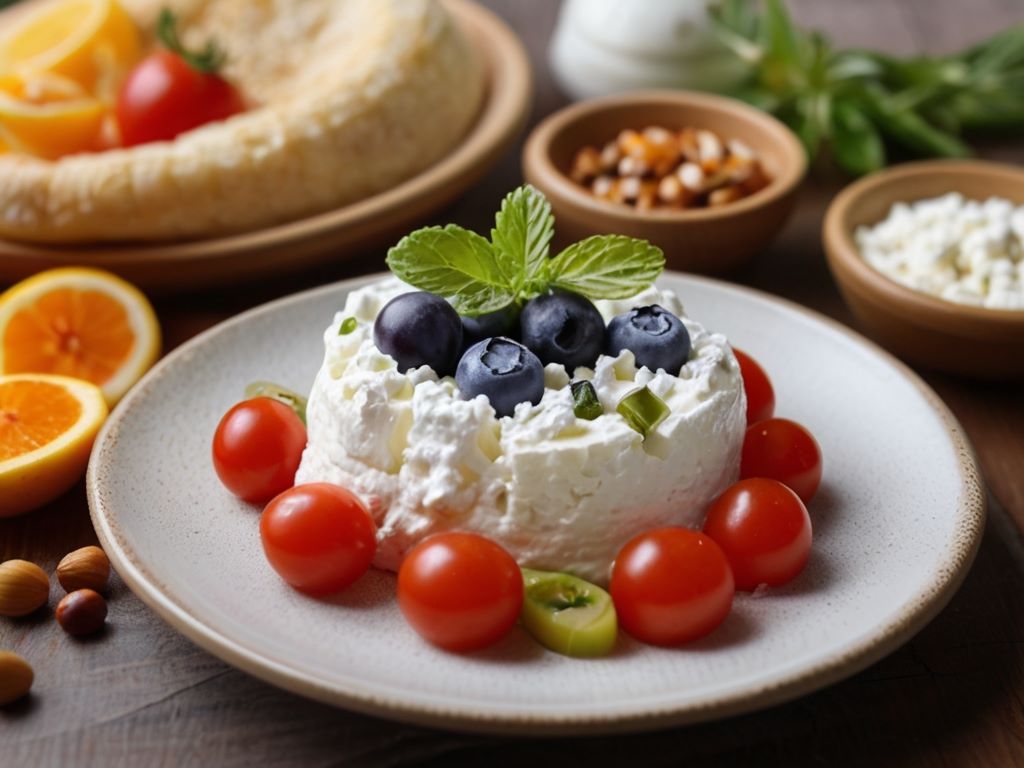
Versatility: Cottage cheese is versatile and can be enjoyed in various Mediterranean-inspired dishes. It can be served as a snack with fresh fruit or vegetables, added to salads for extra protein, or incorporated into recipes like stuffed peppers, omelets, or whole grain pasta dishes.
-
Healthy Fat Content: While cottage cheese is lower in fat compared to some other dairy products, it still provides a small amount of healthy fats. In the Mediterranean diet, fats mainly come from sources like olive oil, nuts, seeds, and fatty fish, but incorporating small amounts of cottage cheese can contribute to overall fat intake.
-
Moderation: Like all foods, cottage cheese should be consumed in moderation as part of a balanced diet. Opt for low-fat or reduced-fat varieties of cottage cheese to minimize saturated fat intake. Pay attention to portion sizes to avoid consuming excessive calories, especially if weight management is a goal.
Nutritional Benefits of Cottage Cheese
Cottage cheese is a nutritious dairy product that offers several health benefits:
-
High-Quality Protein: Cottage cheese is an excellent source of high-quality protein. Protein is essential for building and repairing tissues, maintaining muscle mass, and supporting overall health. A single serving of cottage cheese can provide a significant portion of your daily protein needs.
-
Rich in Essential Nutrients: Cottage cheese contains essential nutrients such as calcium, phosphorus, selenium, riboflavin (vitamin B2), vitamin B12, and vitamin B6. These nutrients play crucial roles in bone health, metabolism, immune function, and energy production.
-
Calcium for Bone Health: Cottage cheese is a good source of calcium, which is essential for building and maintaining strong bones and teeth. Consuming an adequate amount of calcium can help reduce the risk of osteoporosis and bone fractures, especially as you age.
-
Low in Carbohydrates: Cottage cheese is relatively low in carbohydrates, making it a suitable option for individuals following low-carb or ketogenic diets. It can provide a source of protein and essential nutrients without significantly impacting blood sugar levels.
-
Healthy Fats: While cottage cheese is typically low in fat, it still contains some healthy fats, including omega-3 fatty acids and conjugated linoleic acid (CLA). These fats have been associated with various health benefits, including reducing inflammation, supporting heart health, and promoting weight management.
-
Gut Health: Cottage cheese contains probiotics, which are beneficial bacteria that support gut health and digestion. These probiotics may help maintain a healthy balance of gut flora, improve digestion, and enhance nutrient absorption.
-
Satiety and Weight Management: The combination of protein and healthy fats in cottage cheese can help promote feelings of fullness and satiety, which may aid in weight management by reducing overall calorie intake and preventing overeating.
-
Versatility: Cottage cheese is a versatile ingredient that can be enjoyed on its own or incorporated into various recipes. It can be used in both sweet and savory dishes, such as salads, smoothies, pancakes, casseroles, and dips, adding a creamy texture and a boost of nutrition.
These nutritional advantages make cottage cheese a valuable addition to a balanced diet, including the Mediterranean style of eating.
How to Enjoy Cottage Cheese on the Mediterranean Diet

There are numerous ways to include cottage cheese in your Mediterranean diet plan:
- Pair it with fresh fruit for a satisfying snack or breakfast
- Use it as a creamy topping for whole grain toast or crackers
- Incorporate it into savory dishes, such as salads and omelets
- Blend it with herbs and spices to create a flavorful dip or spread
- Combine it with nuts and honey for a delectable dessert option
These versatile options make cottage cheese a versatile ingredient that can enhance the variety of flavors and textures in your Mediterranean-inspired meals.
Considerations for Choosing Cottage Cheese with the Mediterranean diet
When choosing cottage cheese to fit within the Mediterranean diet framework, consider the following factors:
Fat Content:
Opt for lower-fat or reduced-fat versions of cottage cheese to align with the Mediterranean diet, which typically emphasizes healthy fats from sources like olive oil, nuts, and fatty fish. Look for cottage cheese labeled as “low-fat” or “2% milkfat” to keep saturated fat intake moderate.
Protein Content:
Choose cottage cheese with a high protein content to support the protein-rich aspect of the Mediterranean diet. Aim for varieties that provide at least 10 grams of protein per serving to help meet your daily protein needs and promote satiety.
Ingredients:
Select cottage cheese with minimal additives and preservatives to adhere to the Mediterranean diet’s focus on whole, minimally processed foods. Look for options made with simple, natural ingredients such as milk, cream, and live cultures, without added fillers or artificial flavors.
Plain Varieties:
Opt for plain or unflavored cottage cheese rather than flavored varieties to avoid added sugars and artificial sweeteners. Plain cottage cheese allows you to control the flavor and customize it according to your preferences, whether you enjoy it sweet or savory.
Organic and Grass-Fed Options:
Consider choosing organic or grass-fed cottage cheese to support sustainable and environmentally friendly farming practices. Organic cottage cheese is made from milk produced without synthetic pesticides, hormones, or antibiotics, while grass-fed options may offer higher levels of beneficial nutrients like omega-3 fatty acids.
Sodium Content:
Pay attention to the sodium content of cottage cheese, as excessive sodium intake can be detrimental to heart health. Look for lower-sodium options or rinse cottage cheese under cold water before consuming to reduce the sodium content. The Mediterranean diet typically emphasizes using herbs, spices, and citrus juices for flavoring rather than relying heavily on salt.
Pairing with Mediterranean Ingredients:
Incorporate cottage cheese into Mediterranean-inspired dishes by pairing it with other nutrient-rich ingredients such as fresh vegetables, whole grains, olive oil, and herbs. Use cottage cheese as a protein-rich component in salads, wraps, omelets, or alongside whole grain crackers and sliced fruits for a balanced snack.
Moderation:
As with any food, consume cottage cheese in moderation as part of a balanced diet. While it can be a nutritious addition to the Mediterranean diet, be mindful of portion sizes and consider including a variety of other protein sources such as legumes, fish, and poultry in your meals.
Frequently Asked Questions Of Can I Eat Cottage Cheese On The Mediterranean Diet
Can I Eat Cottage Cheese On The Mediterranean Diet?
Cottage cheese can be enjoyed as part of the Mediterranean diet. It is a good source of protein and can be a healthy addition to your meals.
Is Cottage Cheese Low In Calories?
Yes, cottage cheese is low in calories, making it a great choice for those watching their caloric intake. It is a satisfying and nutritious option for weight management.
What Are The Nutritional Benefits Of Cottage Cheese?
Cottage cheese is packed with nutrients such as protein, calcium, phosphorus, and B vitamins. These nutrients support muscle growth, bone health, and overall well-being.
Can Cottage Cheese Help With Weight Loss?
Yes, cottage cheese can aid in weight loss due to its high protein content. Protein helps you feel full and satisfied, reducing the chances of overeating and supporting weight loss goals.
Conclusion
As shown, cottage cheese can be enjoyed as part of the Mediterranean diet, offering a range of nutrients and culinary possibilities. When integrated thoughtfully and mindfully, cottage cheese contributes to the balanced and wholesome nature of the Mediterranean approach to eating, promoting good health and well-being.