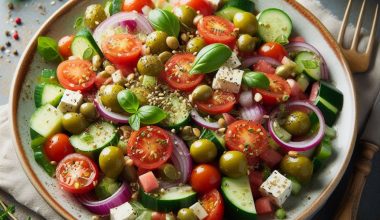
Start the Mediterranean diet today by incorporating whole foods like fruits, vegetables, nuts, and olive oil. Focus on lean proteins and enjoy moderate wine consumption with meals.
The Mediterranean diet emphasizes fresh, nutrient-dense ingredients that offer numerous health benefits. By following this dietary pattern, you can improve heart health, lower inflammation, and promote overall well-being. Ready to embark on this delicious and healthy way of eating? Let’s dive into the details of how to start the Mediterranean diet today.
Benefits Of The Mediterranean Diet
The Mediterranean Diet is renowned for its numerous health benefits, making it a popular choice for individuals looking to improve their overall well-being. This diet is not only delicious and easy to follow, but it also offers a myriad of advantages that can positively impact your health in the long term.
Lower Risk Of Heart Disease
The Mediterranean Diet emphasizes the consumption of heart-healthy foods such as olive oil, nuts, and fish, which are rich in monounsaturated fats and omega-3 fatty acids. These components have been linked to a reduced risk of heart disease and lowering levels of bad cholesterol (LDL).
Improved Brain Health
Incorporating a variety of nutrient-dense foods like fruits, vegetables, and whole grains can help support cognitive function and brain health. The Mediterranean Diet’s focus on antioxidants and anti-inflammatory foods may contribute to reducing the risk of cognitive decline and improving brain function.
Weight Management
With an emphasis on lean proteins, healthy fats, and fiber-rich foods, the Mediterranean Diet offers a sustainable approach to weight management. By promoting portion control and mindful eating, individuals can more effectively manage weight and body composition.
Reduced Inflammation
The abundance of anti-inflammatory foods, including fruits, vegetables, and olive oil, can assist in decreasing chronic inflammation within the body. This can lead to a lower risk of chronic diseases such as cancer, diabetes, and obesity.
Longevity
Research suggests that following the Mediterranean Diet may contribute to a longer lifespan and higher overall quality of life. Its focus on nutrient-dense, whole foods and healthy fats has been associated with improved longevity and reduced risk of age-related diseases.
Understanding The Mediterranean Diet
Discover how to effortlessly adopt the Mediterranean diet into your lifestyle and start reaping its countless health benefits. From delicious recipes to practical tips, this guide will help you kickstart your Mediterranean journey today.
Origins And Cultural Influence
The Mediterranean diet, rooted in Mediterranean countries, emphasizes fresh, whole foods. It draws inspiration from the traditional diets of countries like Greece and Italy. This dietary pattern is not just about food but also about lifestyle and social connections.
Key Components Of The Diet
The Mediterranean diet includes plenty of fruits, vegetables, whole grains, and healthy fats. Lean proteins like fish and poultry are also important components. It limits processed foods, red meat, and refined sugars.
Portion Control And Food Choices
Portion control is a key aspect of the Mediterranean diet for maintaining a healthy balance. It encourages mindful eating and savoring flavors rather than overeating. Focus on quality over quantity, choosing nutrient-dense foods for optimal health.
Recommended Foods And Food Groups
Foods recommended in the Mediterranean diet include olive oil, nuts, seeds, and legumes. Fresh produce such as tomatoes, leafy greens, and citrus fruits are also staples. Whole grains like quinoa, bulgur, and brown rice provide fiber and energy.
Adapting The Diet To Personal Preferences
Personalize the Mediterranean diet by incorporating foods you enjoy and are accessible to you. Experiment with different herbs, spices, and cooking methods to add variety. Listen to your body’s cues and adjust portions and food choices accordingly.
Getting Started With The Mediterranean Diet
Embarking on the Mediterranean Diet is a flavorful journey towards improved health and well-being. Let’s dive into the simple yet effective steps to kickstart your Mediterranean eating plan.
Assessing Your Current Eating Habits
Take a moment to evaluate your daily food choices. Note down what you typically consume to identify areas for improvement.
Setting Realistic Goals
Establish achievable objectives like incorporating more fruits and vegetables or reducing processed foods.
Planning Meals And Creating A Shopping List
Plan nutrient-rich meals that include whole grains, lean protein, and healthy fats. Compile a grocery list to ensure you have all the necessary items on hand.
Stocking Up On Mediterranean Diet Staples
Fill your pantry with olive oil, nuts, seeds, whole grains, and an array of fresh herbs and spices for authentic Mediterranean flavors.
Replacing Unhealthy Ingredients With Healthy Alternatives
Swap out saturated fats with heart-healthy olive oil, opt for whole grains over refined grains, and choose fish and legumes as protein sources.
Preparing Delicious Mediterranean Meals
When it comes to starting the Mediterranean diet, preparing delicious meals is key. Exploring Mediterranean recipes allows for a diverse and exciting culinary experience. Incorporating fresh herbs and spices, using olive oil in cooking, selecting fresh and seasonal ingredients, and enjoying Mediterranean-style dining are vital elements of this heart-healthy diet.
Exploring Mediterranean Recipes
Discovering Mediterranean recipes can add a delightful variety to your meals. Try out dishes like Greek salad, roasted vegetables with hummus, and grilled fish with fresh herbs for a taste of the Mediterranean flavor profiles.
Incorporating Fresh Herbs And Spices
Adding fresh herbs such as basil, mint, and oregano, along with aromatic spices like cumin and paprika, infuses Mediterranean dishes with bold flavors and enticing aromas. These ingredients contribute to the healthfulness and vibrancy of your meals.
Using Olive Oil In Cooking
Olive oil in cooking is a hallmark of the Mediterranean diet. Its rich, fruity flavor and numerous health benefits make it a cornerstone of Mediterranean cuisine. Whether drizzled over a salad or used as a cooking oil, olive oil enhances the taste and nutritional value of your dishes.
Selecting Fresh And Seasonal Ingredients
Opting for fresh and seasonal ingredients ensures the highest quality and flavor in your Mediterranean meals. From ripe tomatoes and crisp cucumbers to succulent fruits and savory seafood, utilizing seasonal produce elevates the authenticity of your dishes.
Enjoying Mediterranean-style Dining
Embracing the Mediterranean-style dining experience brings a sense of relaxation and conviviality to your meals. With a focus on leisurely enjoyment and socializing, this approach emphasizes savoring each dish and fostering a healthy relationship with food and community.
Maintaining The Mediterranean Diet Long-term
Building healthy eating habits, staying consistent with the diet, navigating social situations and dining out, finding support and accountability, and monitoring and celebrating your progress are key factors in maintaining the Mediterranean Diet long-term.
Building Healthy Eating Habits
To maintain the Mediterranean Diet long-term, it’s crucial to build healthy eating habits. Start by incorporating a variety of fresh fruits, vegetables, whole grains, lean proteins, and healthy fats into your meals. Focus on enjoying meals slowly, savoring each bite, rather than rushing through them. Additionally, planning and preparing your meals in advance can help you stick to the diet and avoid unhealthy temptations.
Staying Consistent With The Diet
Consistency is key when it comes to the Mediterranean Diet. Ensure that your pantry is stocked with Mediterranean-friendly foods and ingredients, such as olive oil, whole grains, legumes, nuts, and fish. Avoid keeping processed and unhealthy snacks in your home to minimize temptation. It’s also important to stay hydrated by drinking plenty of water throughout the day.
Navigating Social Situations And Dining Out
When socializing or dining out, it can be challenging to stick to the Mediterranean Diet. However, by making mindful choices, you can still enjoy meals while staying on track. Opt for grilled or baked dishes, choose salads with olive oil-based dressings, and prioritize fresh vegetables. Limit your intake of processed meats, fried foods, and sugary desserts. Remember, it’s okay to indulge occasionally, but try to balance it with healthier choices.
Finding Support And Accountability
Having support and accountability can significantly impact your success in maintaining the Mediterranean Diet. Consider joining a local cooking class or support group that focuses on Mediterranean cuisine. Surrounding yourself with like-minded individuals can provide motivation, tips, and recipe ideas. You can also find online communities or forums where you can share your progress, ask questions, and receive support from others following the same lifestyle.
Monitoring And Celebrating Your Progress
Monitoring your progress is essential to maintaining the Mediterranean Diet long-term. Keep track of your meals, physical activity, and any changes in your health or well-being. Celebrate your accomplishments, no matter how small, to stay motivated. Consider finding non-food rewards or treating yourself to a new cookbook or kitchen tools that align with the Mediterranean Diet.
By building healthy eating habits, staying consistent with the diet, navigating social situations and dining out, finding support and accountability, and monitoring and celebrating your progress, you can successfully maintain the Mediterranean Diet long-term and enjoy its numerous health benefits.
Frequently Asked Questions On How To Start The Mediterranean Diet Today!
What Is The Mediterranean Diet?
The Mediterranean diet is a heart-healthy eating plan that emphasizes fruits, vegetables, whole grains, legumes, nuts, seeds, and olive oil. It also includes moderate amounts of fish, poultry, and dairy products, with limited intake of red meat and sweets. This diet is rich in antioxidants and healthy fats, which are beneficial for overall health.
What Are The Benefits Of Following The Mediterranean Diet?
Following the Mediterranean diet can have numerous benefits, including reducing the risk of heart disease, lowering cholesterol levels, aiding in weight loss, and improving brain function. Its emphasis on whole foods and healthy fats provides important nutrients, promotes satiety, and supports a balanced and sustainable eating pattern.
How Can I Incorporate Mediterranean Diet Into My Daily Meals?
To incorporate the Mediterranean diet into your daily meals, focus on consuming plenty of fruits, vegetables, whole grains, olive oil, and lean proteins like fish and poultry. Limit processed foods, red meat, and sweets. Experiment with Mediterranean-inspired recipes, such as Greek salad, roasted vegetables with couscous, and grilled fish with herbs.
Gradually make small changes to your eating habits for long-term success.
Conclusion
Incorporating the Mediterranean diet into your lifestyle can have a positive impact on your health. With its emphasis on fresh fruits, vegetables, whole grains, and healthy fats, this dietary approach offers a sustainable way to improve your overall well-being. By making small, manageable changes, you can start reaping the benefits of the Mediterranean diet today.