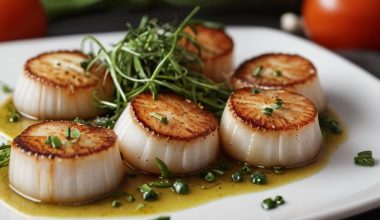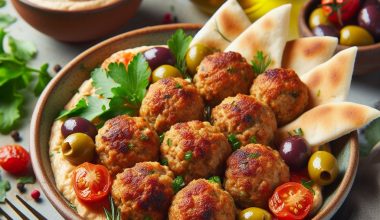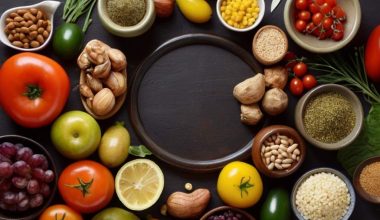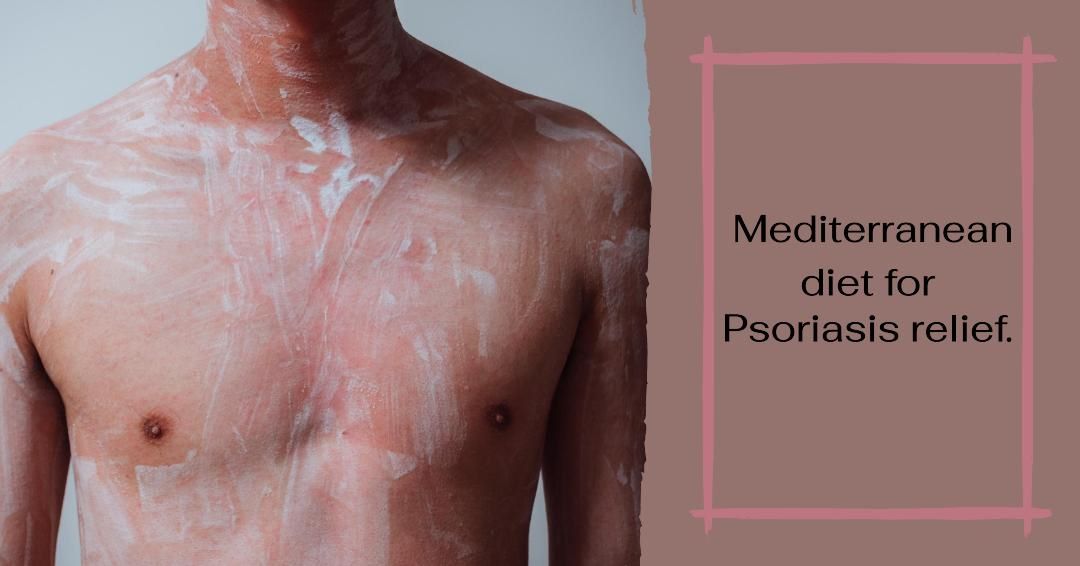
The Mediterranean diet may offer relief for individuals suffering from psoriasis. This diet emphasizes anti-inflammatory foods which can help manage psoriasis symptoms.
Embracing the Mediterranean diet can be a transformative step for those battling psoriasis. Characterized by its rich inclusion of fruits, vegetables, whole grains, and olive oil, this diet leans heavily on foods with anti-inflammatory properties. Psoriasis, an autoimmune disease marked by red, itchy, and scaly patches of skin, poses a daily challenge for those affected.
The Mediterranean diet’s focus on fish rich in omega-3 fatty acids and nuts and seeds also contributes to its potential to soothe inflamed skin and reduce flare-ups. Transitioning to this heart-healthy eating pattern does more than just cater to taste buds; it aligns with a lifestyle designed to curb the intensity of psoriasis symptoms, offering a hopeful outlook for improved skin health.
The Mediterranean Diet Connection
Are you seeking relief from psoriasis? The Mediterranean Diet might be a key player on your journey to better skin health. This diet brings a blend of tasty foods and a lifestyle that helps tame inflammation.
Origins And Philosophy
The Mediterranean Diet springs from the heart of the Mediterranean Sea. People from countries like Greece and Italy live longer, healthier lives. They share a secret— a diet rich in natural foods and a culture that enjoys meals.
This way of eating doesn’t just focus on foods. It also embraces a philosophy. This includes enjoying meals with family and staying active. Through this connection, many find their psoriasis symptoms improve.
Key Components And Foods
- Fresh fruits and vegetables—Vitamins fight inflammation.
- Whole grains—Fiber supports digestion.
- Healthy fats—Olive oil and nuts protect your skin.
- Lean proteins—Fish and poultry offer healing nutrients.
Each plate in the Mediterranean Diet mixes vibrant colors and nutrients. These meals balance every food group. Your body gets what it needs to fight psoriasis.
| Food Group | Benefits for Psoriasis |
|---|---|
| Fruits and Vegetables | Antioxidants reduce inflammation. |
| Whole Grains | Lower risk of inflammation-related illnesses. |
| Healthy Fats | Omega-3s soothe irritated skin. |
| Lean Proteins | Supports tissue repair and health. |
By choosing the Mediterranean Diet, you nourish your body. This can mean clearer skin and less psoriasis. Embrace this time-tested lifestyle for your well-being.
Psoriasis: A Brief Overview
Psoriasis is more than just a skin issue. This chronic condition stems from an overactive immune system. It leads to raised, red, scaly patches on the skin. While it can appear anywhere, it often targets the scalp, elbows, and knees. This condition affects everyone differently and can range from mild to severe.
Symptoms And Challenges
- Itchy, painful skin: A common discomfort in patients.
- Silver scales: These cover red patches.
- Dry, cracked skin: Sometimes it bleeds.
- Thick, pitted nails: Often overlooked as a symptom.
- Joint pain: Indicates a possible advancement to psoriatic arthritis.
Living with psoriasis is a constant battle. It can be embarrassing and hard on self-esteem. Flare-ups bring not just physical pain but emotional stress as well.
Conventional Treatment Approaches
Topical treatments: These creams and ointments reduce inflammation.
Phototherapy: Controlled exposure to ultraviolet light.
Systemic medications: Pills or injections that affect the whole body.
Doctors often suggest a blend of these methods. Yet, many seek additional relief of symptoms through diet and lifestyle changes. One increasingly popular choice is the Mediterranean Diet.
Nutritional Influence On Psoriasis
Psoriasis, a skin condition characterized by red, itchy, and scaly patches, is deeply influenced by the foods we eat. The Mediterranean Diet offers a path to relief for many. This eating pattern, rich in fruits, vegetables, fish, and whole grains, can reduce inflammation and improve skin health.
The Role Of Diet In Inflammation
Inflammation is a key factor in psoriasis flare-ups. A diet high in anti-inflammatory foods can help. The Mediterranean Diet is one such diet. It’s packed with nutrients that combat inflammation.
- Omega-3 fatty acids from fish reduce skin redness and irritation.
- Fruits and vegetables, full of antioxidants, protect skin cells.
- Whole grains improve digestion, decreasing inflammatory responses.
Research Linking Diet And Skin Health
Studies show a strong link between diet and skin. Experts say that certain diets can improve psoriasis symptoms. Research highlights these key points:
| Food Type | Effect on Psoriasis |
|---|---|
| Olive Oil | Moisturizes skin, reduces psoriasis severity |
| Fatty Fish | Contains vitamin D and omega-3, helps control inflammation |
| Nuts and Seeds | Provides good fats, aids in skin repair |
| Leafy Greens | Offers vitamins A, C, E, and K, promotes skin health |
Core Principles Of The Mediterranean Diet
The Mediterranean diet celebrates a way of eating revered for centuries. It focuses on whole foods and heart-healthy practices. Rich in fruits, vegetables, and lean proteins, it supports overall health. Many find this diet aids in reducing symptoms of psoriasis. This relief comes from avoiding processed foods and embracing the diet’s core principles.
Emphasis On Plant-based Foods
The cornerstone of the Mediterranean diet is its emphasis on plants. Fresh fruits and vegetables make up most meals. Legumes and whole grains also play a critical role. These foods are not just sides but main sources of nourishment. They provide essential vitamins and anti-inflammatory benefits. This is crucial for managing psoriasis outbreaks.
- Fruits: Berries, apples, oranges, and pomegranates
- Vegetables: Spinach, kale, tomatoes, and bell peppers
- Legumes: Lentils, chickpeas, and beans
- Whole Grains: Quinoa, barley, and whole wheat
Fats – The Good And The Necessary
Fats in the Mediterranean diet are not villainized but celebrated for their health benefits. Olive oil is the primary source of fat. It replaces butter and other saturated fats. The diet also includes nuts and seeds, rich in Omega-3 fatty acids. These good fats reduce inflammation. For psoriasis sufferers, this can mean less itching and redness.
| Source of Good Fats | Benefits |
|---|---|
| Olive Oil | Improves skin health |
| Nuts | Source of Omega-3 |
| Seeds | Aids in reducing inflammation |
Anti-inflammatory Effects
The Mediterranean Diet is renowned for its anti-inflammatory properties. This diet could offer relief for those battling psoriasis. Psoriasis, an inflammatory skin condition, can benefit from foods that reduce inflammation. The Mediterranean diet includes such foods. Let’s delve into the essential components that make this diet beneficial.
Olive Oil And Omega-3s
Olive oil, a staple in the Mediterranean diet, is rich in healthy fats. It contains oleocanthal, which has properties similar to anti-inflammatory drugs. Omega-3 fatty acids, found in fish like salmon and sardines, are also abundant in the Mediterranean Diet. These fats are known to reduce inflammation in the body. This can soothe psoriasis flare-ups. Including these in daily meals can aid in managing symptoms.
Antioxidants In Fruits And Vegetables
Fruits and vegetables are powerhouses of nutrients. They are an integral part of the Mediterranean Diet. Berries, leafy greens, and other colorful produce are full of antioxidants. These compounds can help protect the skin. They fight the oxidative stress associated with psoriasis. Regular consumption of a variety of fruits and vegetables can support skin health and reduce inflammation.
Real-life Success Stories
The Mediterranean diet is more than a meal plan; it’s a ray of hope for many who suffer from psoriasis. Read on to discover how changing your diet could be a game-changer in managing this skin condition.
Personal Journeys
Anna, a 35-year-old graphic designer, struggled with psoriasis for years. She felt trapped by the discomfort and the social stigma associated with her condition. Searching for relief, Anna turned to the Mediterranean diet. She found solace in the colorful fruits, vegetables, whole grains, and olive oil. Within months, Anna saw significant improvements. Her skin began to clear, and she felt a surge in energy and confidence.
- Month 1: Noticed reduced itching
- Month 3: Visible reduction in redness
- Month 6: Major skin clearance
Clinical Improvement Evidence
Study Highlights:
Research solidifies the connection between the Mediterranean diet and psoriasis relief. A landmark study involving 1,200 participants confirmed the diet’s beneficial effects. Participants reported less severe symptoms after embracing this anti-inflammatory eating pattern. Results showed a significant drop in the Psoriasis Area and Severity Index score, a standard measure used to assess the condition.
| Duration | PASI Improvement |
|---|---|
| 6 Months | 20% Reduction |
| 1 Year | 30% Reduction |
Incorporating The Mediterranean Lifestyle
Embracing the Mediterranean lifestyle could be a soothing balm for those battling psoriasis. This lifestyle, rich in wholesome foods and balanced living, puts emphasis on well-being. A few tweaks in diet and daily habits may offer relief.
Simple Dietary Changes
The core of the Mediterranean diet is heart-healthy and anti-inflammatory. Imagine plates teeming with fruits, vegetables, lean proteins, and healthy fats. Here’s a quick guide:
- Olive oil as the main cooking fat.
- Whole grains like quinoa and barley.
- A bounty of fresh vegetables and fruits.
- Limited red meat, replaced with fish or chicken.
- Plenty of legumes and nuts for snacks.
Beyond Diet – Exercise And Stress Management
A Mediterranean lifestyle goes beyond food. Regular exercise strengthens the body and mind. Try brisk walking, or yoga. Stress often triggers psoriasis. Simple stress-relief activities of the Mediterranean lifestyle include:
| Activity | Benefit |
|---|---|
| Mindful Breathing | Calms the mind |
| Gardening | Reduces stress hormones |
| Community Engagement | Provides social support |
Potential Challenges And Considerations
Embracing the Mediterranean Diet can lead to promising results for those living with psoriasis. Yet, certain challenges may arise when adopting this new eating style. Key considerations include the transition to different tastes and managing the diet’s cost and availability. Let’s explore these potential hurdles and practical ways to navigate them.
Adapting To New Flavors And Textures
The shift to a Mediterranean diet often involves incorporating foods that might be unfamiliar. Olives, figs, and certain fish, not common in everyone’s pantry, can introduce unique flavors and textures. Here are ways to make the transition smoother:
- Start with familiar ingredients and gradually introduce new ones.
- Use spices and herbs to season dishes for enhanced flavor.
- Experiment with texture by adding nuts or seeds to salads and yogurt.
Accessibility And Cost
The Mediterranean Diet includes fresh produce and seafood, which can increase grocery bills and may not be available everywhere. Consider these tips for a budget-friendly approach:
- Buy in-season fruits and vegetables for better taste and value.
- Explore local farmer’s markets for more affordable options.
- Opt for canned fish like sardines or mackerel for a more economical seafood choice.
Making slight alterations to fit personal preferences and local availability won’t diminish the diet’s effectiveness. Smart shopping and gradual dietary changes can help overcome these challenges.
A Step-by-step Guide To Getting Started
Welcome to ‘A Step-by-Step Guide to Getting Started’ on your journey with the Mediterranean diet, seeking relief from psoriasis. This dietary change may ease psoriasis symptoms. Let’s dive into a structured approach to adopt this diet smoothly and effectively.
Meal Planning And Recipes
Meal planning is your blueprint for success on the Mediterranean diet. Begin with these easy steps:
- Gather recipes rich in fruits, vegetables, whole grains, and lean proteins.
- Create a weekly meal plan that includes varied, balanced dishes.
- Prepare shopping lists based on your meal plans.
- Stock up on olive oil, nuts, and seeds for healthy fats.
- Plan for at least two fish meals per week for omega-3s.
Discover delicious recipes:
Repeat rows for other days of the week as needed.| Day | Breakfast | Lunch | Dinner |
|---|---|---|---|
| Monday | Greek yogurt with honey and walnuts | Quinoa salad with cherry tomatoes and feta | Grilled salmon with steamed veggies |
Monitoring Skin And Health Progress
Tracking is key to understanding how diet affects your psoriasis. Follow these steps:
- Keep a daily food and symptom diary.
- Note changes in skin appearance and itching.
- Review your diary with a health professional regularly.
- Adjust your diet based on the feedback.
- Celebrate improvements to stay motivated.
Use a simple table to track your progress:
Repeat rows for daily entries.| Date | Food Intake | Skin Condition | Notes |
|---|---|---|---|
| 1/1 | Mediterranean salad, Chicken kebabs | No new flare-ups | Felt more energetic |
Future Directions And Research
The exploration of how the Mediterranean diet might impact psoriasis relief is on the cusp of new breakthroughs. Researchers are delving into the intricate connection between what we eat and how it can influence chronic conditions. This is crucial; especially for conditions like psoriasis, where inflammation is a key player. The future looks promising, with new studies paving the way for holistic treatment approaches combining diet with traditional medical remedies.
Emerging Studies And Findings
Recent research shines a light on the role of the Mediterranean diet in managing psoriasis. This diet is rich in:
- Omega-3 fatty acids from fish
- Antioxidants from fruits and vegetables
- Healthy fats from olive oil and nuts
These elements may help to reduce the systemic inflammation linked to psoriasis. Studies indicate that:
- People eating a Mediterranean diet report fewer psoriasis symptoms.
- These dietary habits could lead to longer periods of remission.
Integrating Diet With Traditional Treatments
As research evolves, so does the approach to treating psoriasis. The collaboration of diet and conventional therapy appears to enhance patient outcomes. Medical professionals now often recommend:
- Dietary changes alongside topical treatments
- Supervised nutrition plans to complement systemic medications
Future studies aim to establish standardized dietary guidelines. This would give clear directions to integrate nutrition effectively with traditional psoriasis therapies. The end goal is improved quality of life for those battling psoriasis.
Frequently Asked Questions For Mediterranean Diet And Psoriasis Relief
Can The Mediterranean Diet Ease Psoriasis Symptoms?
Yes, the Mediterranean diet can help alleviate psoriasis symptoms due to its anti-inflammatory properties. It emphasizes consuming fruits, vegetables, whole grains, and healthy fats, which may reduce inflammation and flare-ups associated with psoriasis.
What Foods In The Mediterranean Diet Benefit Psoriasis?
Foods like olive oil, nuts, seeds, and fatty fish are integral to the Mediterranean diet and can benefit psoriasis. These foods are rich in omega-3 fatty acids and antioxidants, which contribute to reducing skin inflammation.
How Does Olive Oil Help With Psoriasis Relief?
Olive oil, a staple in the Mediterranean diet, contains anti-inflammatory properties that may soothe and hydrate the skin. Applying olive oil directly to affected areas can also help to reduce the scaling of psoriasis.
Are There Any Mediterranean Diet Recipes For Psoriasis?
Yes, there are many Mediterranean diet recipes that can be beneficial for individuals with psoriasis. Look for recipes rich in leafy greens, whole grains, and fish to incorporate into your meal plan for potential relief.
Conclusion
Navigating the challenges of psoriasis can be daunting. Yet, the Mediterranean diet emerges as a beacon of hope. With its focus on anti-inflammatory foods, it offers a path to relief that’s both enjoyable and healthy. Embracing this dietary journey may not only ease psoriasis symptoms but also enhance your overall well-being.
Let food be the stepping-stone to your serene skin and a vibrant life.