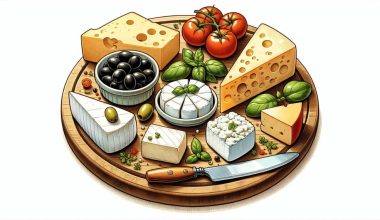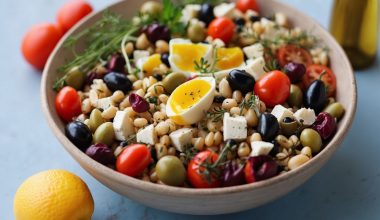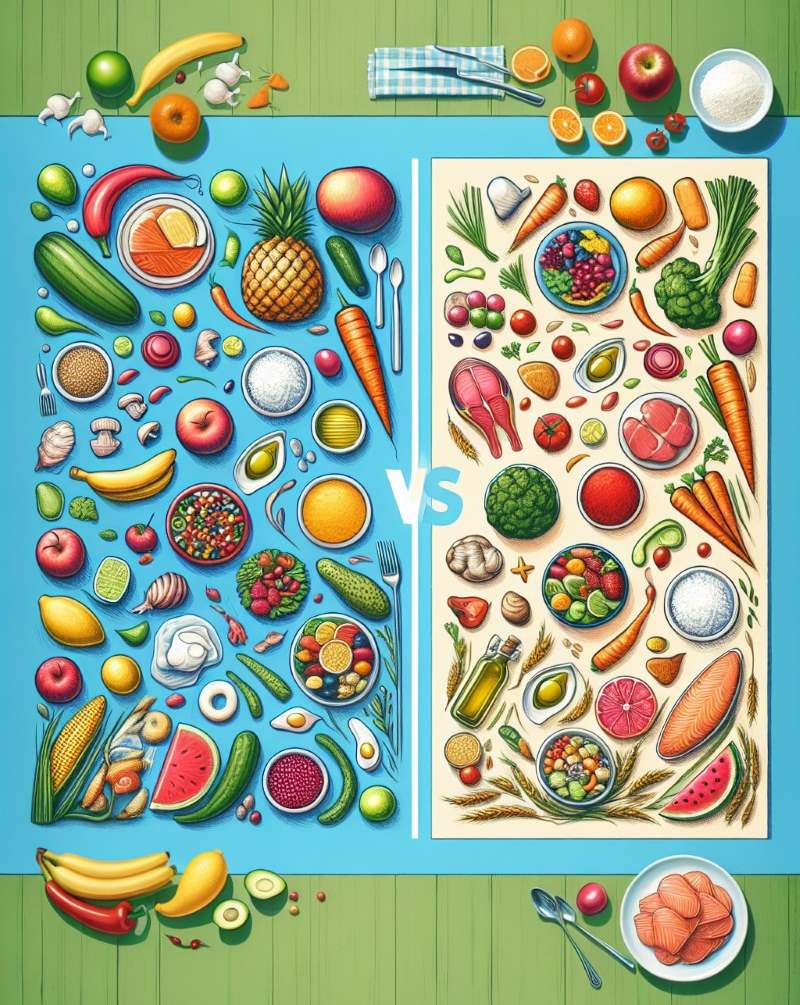
The Mediterranean Diet vs DASH Diet are popular, healthy eating plan known for its numerous health benefits and emphasis on whole foods. The Mediterranean Diet emphasizes consuming fruits, vegetables, whole grains, legumes, fish, and healthy fats like olive oil, while the DASH Diet focuses on reducing sodium intake and increasing the consumption of fruits, vegetables, whole grains, lean proteins, and low-fat dairy products.
Both diets have been shown to lower the risk of chronic diseases and promote overall wellness. While the Mediterranean Diet is inspired by the traditional cuisine of countries bordering the Mediterranean Sea, the DASH Diet was specifically developed to lower blood pressure.
Overall, these diets offer slightly different approaches to healthy eating but share many similarities in their focus on nourishing the body with nutrient-dense foods.
What is the Mediterranean Diet?
The Mediterranean Diet is a popular eating plan inspired by the traditional dietary patterns of countries bordering the Mediterranean Sea, such as Greece, Italy, and Spain. It is acclaimed for its numerous health benefits and emphasis on fresh, whole foods.
Key Principles of The Mediterranean Diet
The Mediterranean Diet focuses on consuming
- Fruits and vegetables
- Whole grains
- Healthy fats, such as olive oil and nuts
- Lean proteins, like fish and poultry
- Moderate amounts of dairy, mainly in the form of cheese and yogurt
- Minimal red meat and sugar
Benefits of The Mediterranean Diet
Following the Mediterranean Diet has been associated with a range of health benefits, including:
- Reduced risk of heart disease and stroke
- Improved weight management
- Lowered risk of certain cancers
- Better management of diabetes and improved blood sugar control
- Enhanced cognitive function and reduced risk of Alzheimer’s disease
- Longer life expectancy and overall well-being
What is the Dash Diet?![]()
The DASH Diet, short for Dietary Approaches to Stop Hypertension, emphasizes a balanced approach to eating that is low in sodium and rich in fruits, vegetables, whole grains, lean proteins, and healthy fats.
While both the Mediterranean diet and the DASH diet have proven health benefits, the DASH diet specifically focuses on reducing high blood pressure.
The DASH (Dietary Approaches to Stop Hypertension) Diet is a popular eating plan that aims to lower high blood pressure and promote overall heart health. The diet was developed by the National Heart, Lung, and Blood Institute and has been recognized as one of the best diets for overall health and weight management.
Key Principles Of The Dash Diet
The DASH Diet emphasizes consuming a variety of nutrient-rich foods while limiting sodium, saturated fats, and added sugars. Here are the key principles of the diet:
- Focus on fruits and vegetables: The DASH Diet encourages the consumption of fruits and vegetables, which are rich in essential vitamins, minerals, and fiber.
- Choose whole grains: Opt for whole grain products like whole wheat bread, brown rice, and whole grain cereals, as they provide more nutrients and fiber.
- Incorporate lean proteins: Include lean protein sources such as poultry, fish, beans, and nuts in your diet, as they are low in saturated fats and cholesterol.
- Limit sodium intake: Reduce your sodium intake by opting for fresh foods over processed foods and by seasoning your meals with herbs and spices instead of salt.
- Control portion sizes: Pay attention to portion sizes, as excess calorie intake can lead to weight gain and other health issues.
Benefits Of The Dash Diet
The DASH Diet has several benefits for overall health and well-being:
- Promotes heart health: By emphasizing nutrient-rich foods and reducing sodium and saturated fats, the DASH Diet can help lower blood pressure and reduce the risk of heart disease.
- Aids in weight management: The diet promotes a balanced and varied eating plan, making it easier to maintain a healthy weight.
- Supports overall well-being: The DASH Diet is packed with essential nutrients, which can improve overall energy levels and support a healthy immune system.
- Reduces the risk of chronic diseases: By following the DASH Diet, individuals may lower their risk of chronic conditions such as diabetes, certain cancers, and stroke.
Differences Between the Mediterranean Diet And The Dash Diet![]()
The Mediterranean Diet and the Dietary Approaches to Stop Hypertension (DASH) Diet are two popular and highly regarded eating patterns that promote good health and well-being.
Despite sharing some similarities, these two diets also have distinct differences that make them unique. Understanding these differences can help you make an informed decision when choosing which diet is most suitable for you.
Focus On Food Groups
The Mediterranean Diet primarily focuses on whole, minimally processed foods such as fruits, vegetables, whole grains, legumes, nuts, and seeds. It encourages the consumption of olive oil as the primary source of fat and includes fish, poultry, dairy products, and red wine in moderation. This diet emphasizes a balanced intake of food groups from different sources.
In contrast, the DASH Diet focuses on low-fat and low-sodium foods, with an emphasis on fruits, vegetables, whole grains, lean proteins, and low-fat dairy products.
The DASH Diet specifically aims to lower high blood pressure by reducing sodium intake and increasing potassium-rich foods, such as bananas and potatoes. It encourages individuals to limit their intake of saturated and trans fats, as well as sugary foods and beverages.
Salt Intake
When it comes to salt intake, the Mediterranean Diet does not have specific restrictions on sodium consumption. However, since the diet promotes a high intake of fruits and vegetables and minimally processed foods, it naturally results in a lower salt or sodium intake.
The Mediterranean Diet also encourages the use of herbs and spices to enhance flavors, reducing the need for excessive salt in cooking.
On the other hand, the DASH Diet strictly limits sodium intake to no more than 2,300 milligrams per day and encourages further reduction to 1,500 milligrams for individuals with high blood pressure, diabetes, or chronic kidney disease. This emphasis on reducing sodium intake is a key differentiating factor between the two diets.
Emphasis on Specific Nutrients
The Mediterranean Diet places a strong emphasis on consuming healthy fats, particularly the monounsaturated fats found in olive oil, as well as the omega-3 fatty acids found in fatty fish. These fats have been associated with numerous health benefits, including a reduced risk of heart disease and improved brain function.
On the other hand, the DASH Diet focuses on specific nutrients such as potassium, calcium, and magnesium, which have been shown to help lower blood pressure. The diet encourages the consumption of foods rich in these minerals, such as fruits, vegetables, and low-fat dairy products.
Cultural Influences
The Mediterranean Diet is heavily influenced by the traditional eating habits of countries bordering the Mediterranean Sea, such as Greece, Italy, and Spain. It incorporates their culinary traditions and food choices, making it a culturally rich diet that emphasizes the enjoyment of meals and socializing with friends and family.
On the other hand, the DASH Diet was developed by the National Heart, Lung, and Blood Institute (NHLBI) in the United States. It is a diet specifically designed to reduce high blood pressure and promote heart health, without being tied to a specific culture or region.
In conclusion, while both diets prioritize health and encourage the consumption of whole, nutrient-dense foods, they differ in their focus on food groups, salt intake, emphasis on specific nutrients, and cultural influences. Understanding these differences can help you choose the diet that best aligns with your preferences and health goals.
Similarities Between the Mediterranean Diet And The Dash Diet
The Mediterranean Diet and the DASH Diet are two popular eating patterns known for their positive impact on overall health and well-being. While both diets have unique characteristics, they also share several key similarities. Understanding the common principles of these dietary approaches can help individuals make informed decisions about their food choices and improve their overall health.
Emphasis on Whole Foods
The Mediterranean Diet and the DASH Diet both emphasize the consumption of whole foods. This includes a wide variety of unprocessed, nutrient-rich foods such as fruits, vegetables, whole grains, nuts, seeds, and lean proteins.
Promotion of Heart Health
Both the Mediterranean Diet and the DASH Diet are designed to promote heart health through the consumption of heart-healthy fats, such as those found in olive oil, avocados, and nuts. These diets also advocate for the reduction of saturated and trans fats, which can contribute to heart disease.
Inclusion of Fruits And Vegetables
Both diets encourage the inclusion of fruits and vegetables in abundance. These colorful, nutrient-dense foods provide essential vitamins, minerals, and antioxidants that support overall health and well-being.
Which Diet is Right for You?
Are you looking to adopt a healthier diet but not sure which one is right for you? The Mediterranean Diet vs DASH Diet are two popular options worth considering.
The Mediterranean Diet focuses on whole grains, lean proteins, and healthy fats, while the DASH Diet emphasizes fruits, vegetables, and low-fat dairy.
Both have been linked to numerous health benefits, so exploring their differences can help you determine which aligns best with your needs.
Considerations for Choosing a Diet
When it comes to choosing the right diet for your health and well-being, there are several key considerations to keep in mind. First and foremost, it’s important to assess your own unique needs, preferences, and goals.
Understanding what you hope to achieve through a diet can greatly influence your decision-making process. Additionally, it’s crucial to consider factors such as your lifestyle, budget, and cooking skills. Some diets may require more time and effort in meal preparation, while others may be more flexible and convenient.
Another important consideration is your willingness and ability to make long-term changes to your eating habits. Sustainable, lifelong changes are often more effective for lasting results. Before committing to a particular diet, evaluate whether its principles align with your personal values and beliefs about healthy eating.
Choosing a Diet for Specific Health Conditions
In addition to personal considerations, your current health conditions can also play a role in determining the most suitable diet for you. Certain diets, like the Mediterranean Diet and DASH Diet, have been widely recognized for their positive impact on various health conditions.
For individuals with cardiovascular issues, both the Mediterranean Diet and the DASH Diet have shown promising results. These diets emphasize the consumption of whole foods, abundant fruits and vegetables, lean proteins, and healthy fats. They restrict the intake of processed foods, added sugars, and unhealthy fats, which are known to contribute to heart disease and high blood pressure.
Individuals with diabetes may also benefit from these diets. The Mediterranean Diet, with its focus on whole grains, legumes, and lean proteins, can help stabilize blood sugar levels. Similarly, the DASH Diet, with its emphasis on low-sodium foods, can aid in managing high blood pressure often associated with diabetes.
Consultation with Healthcare Professionals
Before starting any diet, it’s essential to consult with qualified healthcare professionals, such as your doctor or a registered dietitian. They can provide personalized advice based on your specific health conditions, dietary restrictions, and goals.
Healthcare professionals can help determine if a particular diet is appropriate for you or provide alternative recommendations tailored to your needs. This guidance can ensure that you are making informed decisions about your health and safely implementing dietary changes.
Frequently Asked Questions About the Mediterranean Diet Vs Dash Diet
What is the Mediterranean Diet?
The Mediterranean diet is a way of eating that primarily focuses on fruits, vegetables, whole grains, legumes, and healthy fats like olive oil. It also includes moderate amounts of fish, poultry, and dairy products, while limiting red meat and processed foods.
What is the Dash Diet?
The DASH (Dietary Approaches to Stop Hypertension) diet is a balanced eating plan that emphasizes fruits, vegetables, whole grains, lean proteins, and low-fat dairy products. It is designed to help lower blood pressure and promote heart health by reducing the intake of sodium, sugar, and saturated fat.
How Do the Mediterranean and Dash Diets Compare?
While the Mediterranean diet focuses on overall health and disease prevention, the DASH diet specifically targets hypertension. Both diets promote the consumption of whole foods and limit processed foods, but the Mediterranean diet includes more healthy fats, and the DASH diet places more emphasis on reducing sodium intake.
Conclusion
Both the Mediterranea Diet vs DASH Diet offer numerous health benefits. However, the Mediterranean diet focuses on whole foods and healthy fats, while the DASH diet emphasizes reducing sodium intake. Choosing the best diet depends on individual health goals and preferences.
Both diets provide a balanced approach to optimal health and overall well-being.