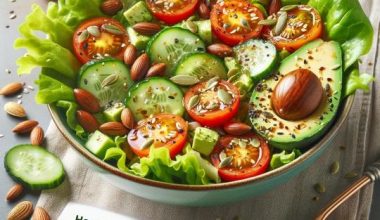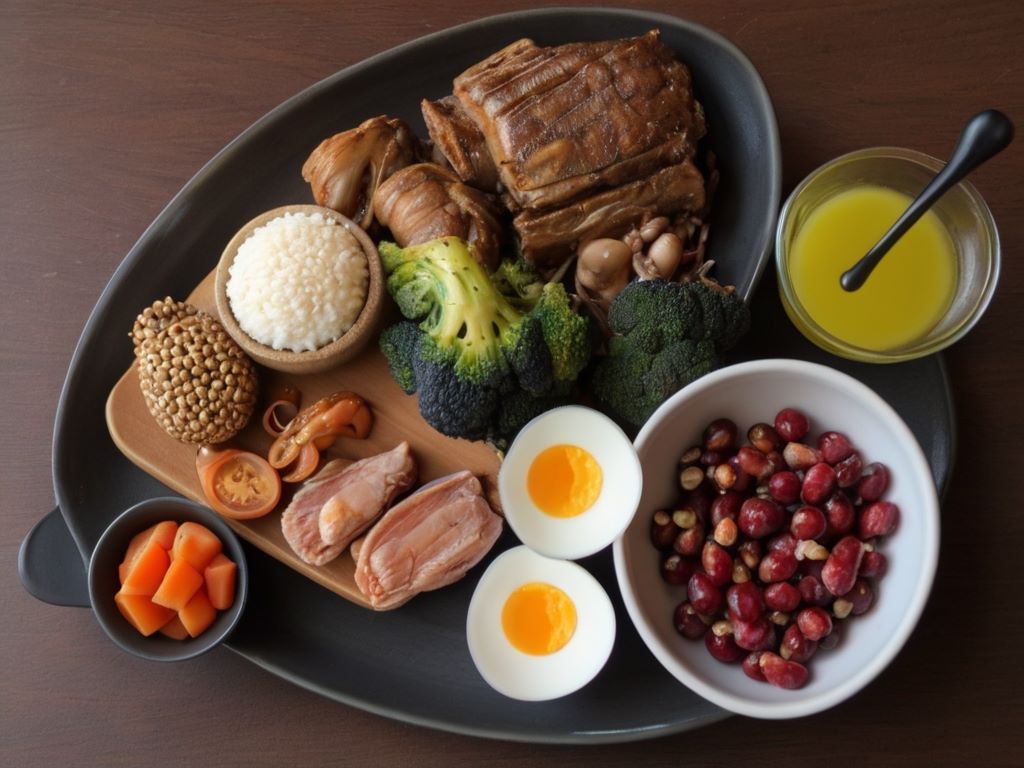
Typical Paleo diet dinner consists of protein-rich foods and vegetables. It excludes grains, processed foods, and dairy.
The Paleo diet, also known as the Paleolithic diet, is based on the foods that our ancestors consumed in the Stone Age. The diet is mostly centered around consuming whole, unprocessed foods such as meat, fish, vegetables, fruits, and nuts.
It restricts foods that have been introduced in the modern diet, including grains, legumes, and dairy products. The typical Paleo diet dinner consists of a protein source—such as chicken, beef, or fish—and a side of vegetables, such as broccoli or asparagus. The diet’s advocates claim that it leads to weight loss, improved digestion, and a reduction in chronic diseases such as heart disease and diabetes. However, some experts argue that the diet’s restrictions can lead to nutrient deficiencies and may not be suitable for everyone.
Benefits Of Paleo Diet
A typical Paleo diet dinner offers numerous benefits to health enthusiasts. With the focus on whole, unprocessed foods and avoidance of grains, legumes and dairy, it supports weight loss, regulates blood sugar levels, lowers inflammation, and promotes better digestive and immune function.
What Is The Paleo Diet?
The Paleo Diet, also known as the caveman diet, is based on the belief that humans thrive best on a diet similar to that of our ancestors from the Paleolithic era. The diet focuses on consuming whole, unprocessed foods that were available to our ancestors such as lean meats, seafood, fruits, vegetables, nuts, and seeds while avoiding processed foods, dairy, grains, and legumes. The idea is that a return to a diet based on ancient principles can help prevent chronic diseases and promote overall health.
The Advantages Of Following A Paleo Diet
There are various benefits of adhering to a Paleo Diet, including:
- Weight loss: The Paleo Diet focuses on whole, nutrient-dense foods that are typically lower in calories and higher in protein and fiber, which can help with weight loss.
- Reduced inflammation: The diet eliminates processed and inflammatory foods such as refined sugar and grains, which can help reduce inflammation in the body.
- Better digestion: By avoiding foods that can cause digestive issues such as dairy and gluten, many people report improved digestion and reduced bloating and discomfort.
- Improved nutrient density: The Paleo Diet emphasizes whole, nutrient-dense foods such as fruits, vegetables, and meats that are rich in essential vitamins and minerals.
- Reduced risk of chronic diseases: Studies have shown that following a Paleo Diet can help reduce the risk of chronic diseases such as heart disease, diabetes, and certain cancers.
Typical Paleo Diet Dinner
A typical Paleo Diet dinner might include grilled salmon with roasted broccoli and sweet potato wedges. For dessert, a small serving of fresh berries with coconut cream would be a delicious and healthy option. The meal is rich in whole foods, healthy fats, and essential vitamins and minerals while avoiding processed and inflammatory ingredients.
Key Components Of The Paleo Diet
The Paleo diet is an eating plan that emphasizes foods that our ancient ancestors might have consumed. This means that it includes whole, unprocessed foods and eliminates processed and refined items like sugar, vegetable oils, and grains. The diet mainly comprises of a protein-rich diet with fresh fruits, vegetables, nuts, and seeds. Here are the key components of the Paleo Diet:
Meat And Poultry
Meat and poultry are the staples of the Paleo diet. This is because they provide important protein and nutrients that our body needs. When following the Paleo diet, it’s important to choose lean cuts of meat and poultry sources that are grass-fed, free-range, and organic whenever possible. Good options include beef, chicken, turkey, lamb, bison, elk, and venison.
Fresh Fruits And Vegetables
Another essential component of the Paleo diet is fresh fruits and vegetables. These are packed with all the vital nutrients like fiber, vitamins, and minerals, that our body requires every day. The diet encourages a wide variety of colorful fruits and vegetables, including berries, leafy greens, cruciferous veggies like broccoli and cauliflower, avocados, sweet potatoes, and more.
Healthy Fats And Oils
Unlike other diets, the Paleo diet does not restrict healthy fat intake. Healthy fats and oils are crucial to maintain healthy heart, hair, and skin. The Paleo diet encourages consumption of healthy fat sources like avocado, olive oil, coconut oil, nuts, and seeds in moderate amounts.
Nuts And Seeds
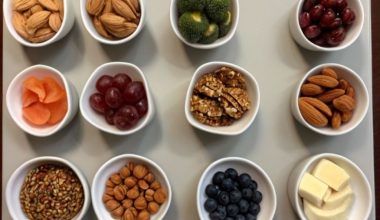
Nuts and seeds provide healthy fats, fiber, and essential micronutrients that are crucial for optimal health. On the Paleo diet, good options include almonds, macadamia nuts, walnuts, chia seeds, flaxseeds, hemp seeds, and more. However, overconsumption of nuts and seeds can lead to high-caloric intake, which should be avoided.
Avoidance Of Processed Foods
The emphasis on whole, unprocessed foods is the key aspect of the Paleo diet. It means that it avoids foods that are processed and high in sugar, salt, and additives like preservatives. Foods to avoid on the Paleo diet include sugary drinks, refined carbohydrates, and processed snacks like chips, crackers, and cookies. The elimination of processed foods reduces inflammation in the body, leading to better immune function and overall improved health.
Paleo Diet Dinner
A typical Paleo Diet dinner consists of lean protein, vegetables and healthy fats. Grilled salmon with roasted asparagus and sweet potato fries or spaghetti squash with meat sauce are popular options. The focus is on whole, unprocessed foods that our early ancestors would have eaten.
Introduction To Paleo Dinners
The paleo diet has gained immense popularity in recent years due to its focus on whole, nutritious foods that mimic the diet of our ancestors. Dinner is the last meal of the day and plays an important role in providing essential nutrients and fuel needed for recovery and growth. Typical paleo diet dinner comprises of wholesome ingredients and is prepared using simple cooking methods. In this article, we’ll explore the guidelines for a paleo dinner, typical ingredients, and cooking methods that can help enthusiasts make a delicious and nutritious paleo dinner.
Paleo Dinner Guidelines
The paleo diet dinner plays a significant role in keeping us fit and healthy. When planning a paleo dinner, one must keep the below guidelines in mind:
- Avoid processed foods, refined sugars and oils
- Favor grass-fed and pasture-raised meats, wild seafood, and organic fruits and vegetables
- Include healthy fats from nuts, seeds, and avocados
- Avoid dairy products and legumes
- Limit intake of starchy vegetables and grains
Typical Ingredients Of A Paleo Dinner
A paleo dinner plate typically consists of a healthy source of protein, vegetables, and healthy fats. Some of the typical ingredients in a paleo dinner are:
| Protein | Vegetables | Fats |
|---|---|---|
| Grass-fed beef, bison, or lamb. Wild seafood like salmon, tuna, or mackerel. Pasture-raised chicken or turkey. Eggs. | Broccoli, cauliflower, kale, spinach, carrots, sweet potato, beets, onions, tomatoes, and peppers. | Avocado, nuts like almonds and walnuts, olive oil, coconut oil, ghee, and grass-fed butter. |
Cooking Methods For A Paleo Dinner
The cooking method used for a paleo dinner must be simple and easy to maintain the nutritional value of the ingredients. Here are some popular cooking methods you can try:
- Grilling: Grilling meat and veggies brings out their natural flavors and keeps them juicy.
- Baking: Baking chicken and fish with some lemon or herbs can provide a great flavor and texture.
- Sautéing: Sautéing vegetables in some olive oil or ghee with garlic can take the taste to the next level.
- Roasting: Roasting beets and sweet potatoes can bring out their natural sweetness and make them caramelized.
Sample Paleo Dinner Recipes
Are you bored with your dinner routine? Try these delicious sample Paleo dinner recipes! Paleo diet emphasizes on eating whole, nutrient-dense foods that are free from grains, processed foods, and refined sugar. It aims to promote a healthy lifestyle by consuming food that our ancestors used to eat. Paleo diet includes meat, fish, vegetables, and fruits making it a perfect diet for dinner recipes. Here are a few simple and easy Paleo dinner recipes for you to try!
Grilled Salmon With Roasted Vegetables
Grilled salmon with roasted vegetables is a healthy and satisfying Paleo dinner. It is packed with proteins, omega-3, and other essential nutrients that our body requires. Here’s how you can prepare it:
- Season the salmon fillets with salt, black pepper, and garlic powder. Grill the salmon fillets for eight to ten minutes.
- Cut assorted vegetables into small pieces, season with salt, black pepper, and olive oil, and roast in the oven at 400F for 25 minutes.
- Your delicious grilled salmon and roasted vegetables are ready to serve!
Beef And Broccoli Stir-fry
Beef and broccoli stir-fry is a quick and easy dinner recipe. It is meaty, flavorful, and can be prepared in under 30 minutes. Here’s the recipe:
- Thinly slice Beef and marinate for 10 minutes with salt, black pepper, garlic powder, and coconut amino.
- Stir Fry the thinly sliced beef in hot oil until brown, set aside
- Stir fry broccoli florets with diced onions and minced garlic until tender.
- Add the beef back into the pan, pour some coconut aminos, and sprinkle with sesame seeds for additional flavor.
Slow-cooked Pork With Sweet Potato Mash
Slow-cooked pork with sweet potato mash is an ultimate comfort food dinner recipe. Pork is high in proteins, vitamins, and minerals, while sweet potatoes add flavor and nutrients to the dish. Here’s how to make it:
- Season the pork roast with salt, black pepper, and garlic powder, and cook for eight hours on low heat.
- Cut the sweet potatoes into small pieces and boil until tender. Mash them with coconut milk, cinnamon, and a pinch of salt.
- Shred the pork roast and serve with sweet potato mash.
Grilled Chicken Salad With Avocado
Grilled chicken salad with avocado is a light, refreshing, and healthy dinner recipe. Grilled chicken adds protein while avocado adds healthy fats and fiber to this dish. Here’s the recipe:
- Marinate the chicken in lemon juice, olive oil, garlic powder, and salt for 10 minutes.
- Grill the chicken until cooked through and slice into strips.
- Serve the grilled chicken over mixed greens and sliced avocado. Dress the salad with olive oil and lemon juice.
- Your delicious and satisfying chicken salad with avocado is ready!
Zucchini Noodles With Meat Sauce
Zucchini noodles with meat sauce is a healthy twist on traditional spaghetti and meatballs. Zucchini noodles are a low-carb and nutrient-dense alternative to spaghetti. Here’s the recipe:
- Sauté ground beef with garlic and onions until fully cooked.
- Add diced tomatoes, tomato paste, and Italian herbs. Let the sauce simmer for 20 minutes.
- Using a vegetable spiralizer, make zucchini noodles, and sauté them in olive oil until tender.
- Pour the meat sauce over the zucchini noodles, sprinkle with chopped fresh basil or parsley, and serve.
These sample Paleo dinner recipes are easy to make, delicious, and nutritious. They are perfect for those who want to try a new healthier dinner recipe. Try these dishes today and enjoy your meal!
Tips For Success On The Paleo Diet
Following a Paleo diet can be challenging, as it requires giving up foods that have become staples in many people’s diets. However, with a little bit of planning and the right mindset, it is possible to stick to this way of eating. In this section, we will cover some tips for success on the Paleo diet, including meal planning, stocking your pantry with Paleo-friendly foods, finding Paleo-friendly restaurants, and staying motivated on this diet.
Meal Planning
One of the keys to success on the Paleo diet is meal planning. By planning your meals in advance, you can ensure that you have all the necessary ingredients on hand and are less likely to give in to temptations and stray from your diet. When planning your meals, make sure they are balanced and include plenty of protein, healthy fats, and fresh vegetables. You can also prepare large batches of food and freeze them for later use, which saves time and ensures you always have something Paleo-friendly to eat.
Stocking Your Pantry With Paleo-friendly Foods
Another important aspect of following a Paleo diet is having a well-stocked pantry. Make sure to stock up on Paleo-friendly staples such as nuts, seeds, coconut oil, almond flour, and plenty of fresh fruits and vegetables. You should also avoid processed foods, grains, and sugar, as these are not part of the Paleo diet. By keeping your pantry stocked with the right foods, you will always have something healthy to eat and avoid the temptation of non-Paleo foods.
Paleo-friendly Restaurants
While it can be challenging to eat out on the Paleo diet, there are plenty of restaurants that offer Paleo-friendly options. Do some research beforehand and find restaurants that offer fresh, whole foods and avoid processed ingredients. Many restaurants also allow you to customize your meal, making it easier to stick to your diet. If you are unsure about a particular restaurant, call ahead and inquire about their menu options to ensure there are Paleo-friendly choices.
Staying Motivated On The Paleo Diet
Finally, staying motivated on the Paleo diet can be challenging, especially when you are surrounded by non-Paleo foods. One way to stay motivated is to focus on the benefits of the diet, such as improved energy levels, better digestion, and healthier skin and hair. You can also connect with other Paleo dieters for support, either in person or online. By sharing your experiences and tips with others, you can stay motivated and committed to the Paleo way of eating.
Frequently Asked Questions For Typical Paleo Diet Dinner
What Does A Day Of Eating Paleo Look Like?
A day of eating paleo consists of whole foods such as meats, eggs, vegetables, fruits, nuts, and seeds. Processed foods, grains, and dairy products are avoided. Meals typically include protein, healthy fats, and fiber. Snacks may include fruits and nuts.
Water is the preferred beverage.
What Are Paleo Dishes?
Paleo dishes are meals that adhere to the paleo diet, consisting of foods that were consumed during the Paleolithic era such as unprocessed, whole foods like fruits, vegetables, nuts, and meat. These dishes avoid grains, dairy, and processed foods.
What Foods Are On The Menu For A Person Who Follows The Paleo Diet?
Paleo diet mainly consists of lean meats, seafood, fruits, vegetables, nuts, and seeds. Processed foods, grains, sugar, and dairy are avoided. The menu includes meat and fish dishes, salads with nuts and seeds, fruits, and vegetables. Snacks can be jerky, nuts, or fruits.
What Are The Staple Foods For The Paleo Diet?
The paleo diet mainly focuses on whole, unprocessed foods that were consumed during the Paleolithic era. Staple foods may include lean meats, fish, nuts, seeds, fruits, and vegetables. Grains, dairy, and processed foods are avoided.
Conclusion
To sum up, a typical Paleo diet dinner is a healthy and satisfying meal choice that is high in protein and nutrients, while avoiding processed and refined foods. With a wide range of options available, incorporating this way of eating into your routine can be both easy and enjoyable.
Give it a try and feel the benefits for yourself!