The Mediterranean diet is renowned for its health benefits and its emphasis on fresh, whole foods. As a result, cheese is a staple in many Mediterranean dishes, adding flavor and richness to a wide variety of meals. When following the Mediterranean diet, it’s important to choose cheeses that complement the diet’s focus on nutrient-dense, minimally processed foods. Here are some of the best cheeses to enjoy as part of a Mediterranean-inspired eating plan:
Feta Cheese
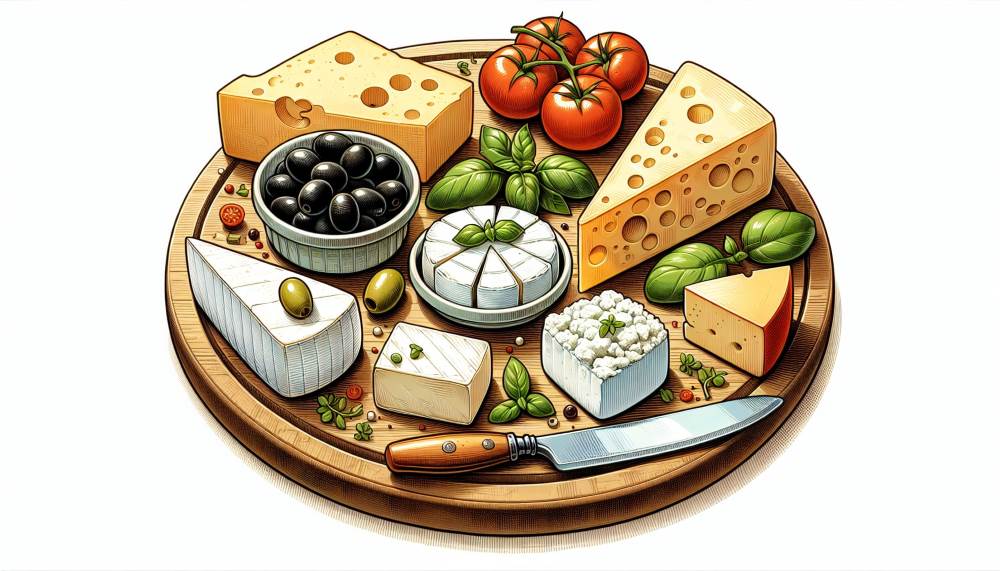
Feta cheese is one of the most iconic ingredients in Mediterranean cuisine. Made from sheep’s milk or a combination of sheep and goat milk, this crumbly cheese has a tangy flavor that adds depth to salads, pastas, and vegetable dishes. Feta is rich in calcium and protein, and its bold taste means a little goes a long way, making it an excellent addition to the Mediterranean diet.
Manchego
Hailing from Spain, Manchego is a sheep’s milk cheese with a slightly nutty flavor. It’s often enjoyed alongside fruits, nuts, and honey, making it a versatile cheese for Mediterranean-inspired cheese boards. Manchego is a good source of protein and calcium, and its rich flavor and creamy texture can elevate a wide range of Mediterranean dishes.
Halloumi
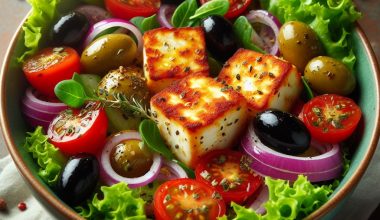
Originating from the Mediterranean island of Cyprus, halloumi is a unique cheese that’s known for its high melting point, making it perfect for grilling or frying. This semi-hard cheese has a salty flavor and a satisfyingly chewy texture. It’s a good source of protein and calcium, and its versatility makes it a popular choice in Mediterranean cooking, whether it’s paired with grilled vegetables or tucked into a pita sandwich.
Ricotta
Ricotta cheese, a staple in Italian cuisine, is a fresh, soft cheese with a creamy texture and mild, slightly sweet taste. Its versatility makes it a great addition to both sweet and savory Mediterranean dishes. Ricotta is high in whey protein and contains a significant amount of calcium, making it a nutritious choice for those following the Mediterranean diet.
Labneh
Labneh, also known as strained yogurt cheese, is a creamy, tangy cheese that’s a beloved ingredient in Middle Eastern and Mediterranean cuisines. It’s made by straining yogurt to remove the whey, resulting in a thick, spreadable cheese that’s rich in probiotics and calcium. Labneh is often enjoyed as a dip, spread, or topping for flatbreads, and its tangy flavor adds a delightful touch to Mediterranean dishes.
Frequently Asked Questions On What Cheeses Can You Eat On The Mediterranean Diet
What Cheeses Are Allowed On The Mediterranean Diet?
You can enjoy a variety of cheeses on the Mediterranean diet, such as feta, halloumi, and goat cheese.
Is Mozzarella Cheese Part Of The Mediterranean Diet?
Yes, mozzarella cheese can be included in the Mediterranean diet in moderation, particularly fresh mozzarella.
Can I Eat Blue Cheese On The Mediterranean Diet?
While blue cheese is not typically a staple of the Mediterranean diet, you can enjoy it occasionally in small portions.
Are Hard Cheeses Like Cheddar Allowed On The Mediterranean Diet?
Yes, hard cheeses like cheddar can be incorporated into the Mediterranean diet as long as they are consumed in moderation.
Conclusion
When incorporating cheese into a Mediterranean-style eating plan, it’s important to prioritize quality and moderation. Opt for cheeses made from high-quality milk, such as sheep’s or goat’s milk, and enjoy them as part of a balanced diet that includes plenty of fresh fruits, vegetables, whole grains, and healthy fats like olive oil and nuts. By choosing the right cheeses and savoring them in moderation, you can fully embrace the rich flavors and nutritional foods of the Mediterranean diet.