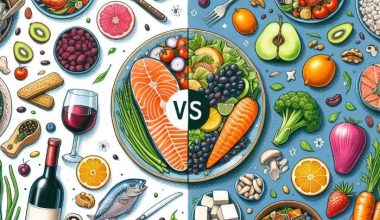
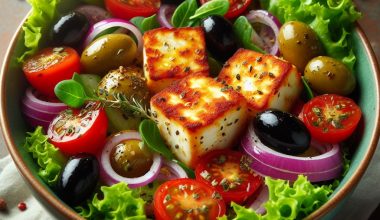
The Mediterranean Diet emphasizes plant-based foods and healthy fats, while the Paleo Diet focuses on lean meats and excludes grains and dairy. Both diets encourage whole foods but differ in their approach to nutrition. The battle between Mediterranean Diet Vs Paleo Diet is going to be exciting.
Exploring the realm of healthy eating uncovers diverse dietary patterns, two notable ones being the Mediterranean and Paleo diets. These popular eating plans draw from historical and regional eating habits, promoting benefits like weight loss and improved heart health.
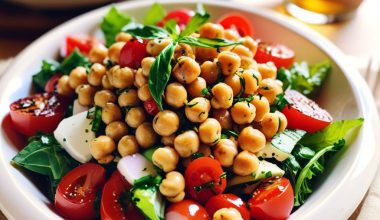
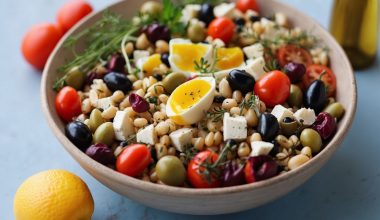
The Mediterranean Diet hails from the coastal cuisine of countries like Italy and Greece, advocating for a high intake of vegetables, fruits, nuts, seeds, legumes, and olive oil, alongside moderate consumption of fish and poultry.
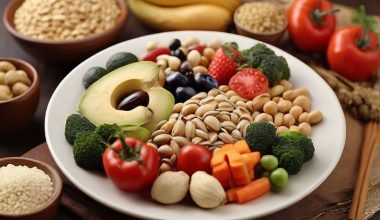
On the flip side, the Paleo Diet derives inspiration from the Paleolithic era, emphasizing foods that our hunter-gatherer ancestors might have eaten, such as lean meats, fish, fruits, vegetables, and seeds, strictly avoiding processed foods, grains, and dairy.
Deciding between Mediterranean Diet Vs Paleo Diet healthful diets depend on individual health goals, dietary preferences, and intolerance to specific food groups. Both have been recognized for fostering a natural, minimally processed diet, with a strong emphasis on nutrient-rich foods.
Introduction to Diets
Choosing the right diet can feel like sailing the vast Mediterranean Sea or exploring the ancient Paleolithic caves.
Two popular eating lifestyles stand out: the Mediterranean Diet and the Paleo Diet. Each boasts unique benefits and principles. One emphasizes plant-based meals and heart health. The other harks back to our hunter-gatherer ancestors. This section serves as your compass to navigate the basics.
Essence Of The Mediterranean Diet
Fresh, wholesome foods define the Mediterranean Diet. It’s like basking in the sun of Greek islands with every meal. Here’s what it includes:
- Vegetables and Fruits: The cornerstone of every meal.
- Whole Grains: Nutrient-rich and liberally enjoyed.
- Healthy Fats: Olive oil over butter, nuts, and seeds.
- Seafood: Twice a week, as if fishing by the coast.
Poultry, eggs, cheese, and yogurt appear in moderation. Red meat is a rare guest, akin to a special festival dish.
Paleo Diet Fundamentals
The Paleo Diet takes you back in time. It mirrors what our ancestors ate in the Paleolithic era. Embrace these elements:
- Lean Meats: Think wild game or grass-fed options.
- Fish: Rich in omega-3, caught as if with a primitive spear.
- Fruits and Vegetables: Fresh from the land, without pesticides.
Grains, legumes, and dairy are off the menu. It’s about eating clean and simple as if agriculture never happened.
Historical Roots And Philosophy
The Mediterranean and Paleo diets have rich histories. They stem from how our ancestors ate. The diets are not just food lists. They are ways of life. They connect us to our past. They are built on the idea of eating whole, natural foods.
Origins Of Mediterranean Eating Patterns
The Mediterranean diet mirrors the eating habits of people living near the Mediterranean Sea. It dates back to the 1960s. Researchers noticed that these people had fewer heart problems. They also lived longer lives. This diet became famous for its health benefits.
- Fresh fruits and vegetables are staples.
- Olive oil is the main source of fat.
- There is a focus on whole grains, nuts, and legumes.
- Seafood is important. Red meat is limited.
Ancestral Underpinnings Of The Paleo Diet
The Paleo diet goes back to our Paleolithic ancestors. It aims to mimic the way hunter-gatherers ate over 10,000 years ago. It is based on the idea that modern diets cause many diseases. By eating like our ancestors, we can avoid these diseases.
- The diet includes lean meats and fish.
- It encourages eating fruits and vegetables.
- Nuts and seeds are part of the diet. Dairy and grains are not.
- Processed foods are off-limits.
Nutritional Profiles Compared
Choosing between Mediterranean and Paleo diets can be tricky. Both have unique nutritional profiles. Let’s compare the macros and micros of each to see which might be best for you.
Mediterranean Diet Macros & Micros
The Mediterranean Diet is famous for its balance. It centers on whole foods. It brings a rich variety of nutrients.
- Healthy fats from olive oil and nuts are key.
- Complex carbs come from fruits, vegetables, and whole grains.
- Proteins are mostly from fish and legumes.
Daily meals include a colorful assortment of foods. Fiber, vitamins, and minerals contribute to its balanced nature.
| Nutrient | Sources |
|---|---|
| Healthy Fats | Olive oil, Avocados, Almonds |
| Proteins | Fish, Beans, Lentils |
| Carbohydrates | Fruits, Vegetables, Whole grains |
Paleo Dietary Composition
The Paleo Diet takes us back in time. It mirrors what our ancestors might have eaten: plants and animals. Processed foods are out.
- Fruits and vegetables offer carbs and fiber.
- Meat, especially grass-fed, is a prime protein source.
- Nuts and seeds provide healthy fats.
Grains, legumes, and dairy are not part of the Paleo plate. Nutrients come from whole, unprocessed foods.
| Nutrient | Characteristics | Common Paleo Sources |
|---|---|---|
| Healthy Fats | Unprocessed, natural | Coconut oil, Avocados, Nuts |
| Proteins | Lean, unprocessed | Grass-fed meats, Seafood |
| Carbohydrates | Low-glycemic, fiber-rich | Leafy greens, Berries, Root vegetables |
Health Benefits And Risks
The debate between the Mediterranean Diet and the Paleo Diet often centers on which one brings more health benefits and which poses risks. Both diets promise a healthier lifestyle, but they differ in their approaches and nutritional philosophies. Let’s uncover the benefits and risks associated with each diet through the lenses of scientific evidence and health expert opinions.
Cardiovascular Health: Mediterranean Advantage?
The Mediterranean Diet is famous for its cardiovascular benefits. Studies show that its high content of monounsaturated fats, omega-3 fatty acids, and antioxidants could help reduce heart disease risk.
- Lower blood pressure
- Improved cholesterol levels
- Decreased risk of stroke
These benefits come from staples like olive oil, nuts, and fish, which are abundant in the Mediterranean Diet.
Weight Management And Paleo Prospects
The Paleo Diet focuses on consuming foods that our ancestors likely ate, which means high protein and low carbohydrate intake. This can lead to:
- More efficient weight loss
- Higher satiety levels
- Boosted metabolic rate
By emphasizing lean meats and reducing processed foods, followers can shed pounds and maintain muscle mass.
Potential Shortfalls And Dietary Concerns
Both diets have potential downfalls to consider. The Mediterranean Diet can be:
- High in calories if not monitored
- Challenging for those with certain food intolerances
While the Paleo Diet may lack:
- Essential nutrients found in grains and legumes
- Dietary diversity
- Affordability due to the focus on high-quality meats
Assessing these concerns is crucial for a balanced approach to health.
Lifestyle And Practicality Aspects
Choosing between the Mediterranean and Paleo diets involves more than just food. It’s about your whole lifestyle. How easy is it to make these diets a part of your life? Let’s dive into planning, cost, and if you can keep it up long-term.
Meal Planning And Prep: A Daily Endeavor
Both diets need you to plan your meals. With the Mediterranean, you enjoy a wide range of foods. That means lots of different recipes. You get fish, grains, and veggies. It’s all about fresh and varied meals.
The Paleo menu is more fixed. You eat like our ancestors. Think meats, fruits, and nuts. No grains or dairy. Paleo fans often spend Sunday prepping for the week. They cook big meals to save time later.
Cost And Accessibility Challenges
- Mediterranean foods are in most stores. Fish can be pricey. Yet, beans and grains are budget-friendly.
- The Paleo diet leans on meat. That can cost more. Especially if you choose grass-fed or organic meats.
Both diets might stretch your wallet. You may need to hunt for deals or buy in bulk.
Long-term Sustainability
Sticking to a diet matters. Can you follow it for years? The Mediterranean diet is often ranked as one of the best for long-term health. It’s balanced and heart-healthy.
Some find Paleo hard to maintain. It’s stricter and cuts out food groups. A long-term commitment to Paleo might mean more effort in meal variety to keep you on track.
Challenges Faced By Individuals
| Diet Type | Challenge | Solution |
|---|---|---|
| Mediterranean Diet | Finding traditional ingredients | Local produce substitutions |
| Paleo Diet | Social dining limitations | Planning meals ahead |
Mediterranean Diet: Some have struggled with accessibility to specific ingredients. A busy single mom found it tough to incorporate fish thrice a week due to her packed schedule.
Paleo Diet: Diners often find it hard to maintain their diet when eating out. A college student struggled to find Paleo-friendly options in her campus dining hall.
- Dedication to a new lifestyle is a common hurdle.
- Adapting family meals to suit dietary needs is another.
- Finding quick, diet-compliant recipes helps many to stay on track.
Future Directions In Dietary Trends
The landscape of dietary trends is always shifting, and pinpointing where we’re headed next can be as exciting as it is challenging. With a keen eye on the Mediterranean and Paleo diets, let’s explore what the future holds for our eating habits.
Emerging Research And Evolving Recommendations
Dietary science never stands still. New studies continually reshape our understanding. For instance, the Mediterranean diet, rich in whole foods, has a strong research backdrop supporting its benefits for heart health and longevity.
Paleo approaches, emphasizing lean meats and vegetables, tout advantages for weight loss and blood sugar control. As research progresses, recommendations may shift, refining these diets or merging their beneficial aspects. Understanding these changes helps keep our diets both healthy and scientifically sound.
- Mediterranean Diet benefits for heart health
- Paleo Diet strengths for weight management
- New studies may blend the best of both
Individual Tailoring Of Diet Modality
Personalized nutrition is climbing the ranks in dietary importance. Genetics, lifestyle, and personal preferences dictate that no one-size-fits-all diet exists.
With advanced technology at our fingertips, the ability to customize the Mediterranean or Paleo diet to fit individual needs is becoming more feasible and popular.
By defending against diseases or optimizing physical performance, tailored diets push the envelope, offering tailored health blueprints.
- Person-specific nutrition over cookie-cutter diets
- Customized diets may provide disease defense
- Technology enables better dietary customization
Frequently Asked Questions On Mediterranean Diet Vs. Paleo Diet
What is The Mediterranean Diet?
The Mediterranean Diet emphasizes fruits, vegetables, whole grains, and healthy fats. It includes moderate fish and poultry consumption, and minimal red meat. Olive oil replaces butter, and herbs and spices over salt for flavor.
How Does the Paleo Diet Work?
The Paleo Diet mirrors the presumed eating patterns of Paleolithic humans. It consists largely of meat, fish, fruits, vegetables, nuts, and seeds. It excludes processed foods, grains, legumes, and dairy products.
Can You Lose Weight On a Mediterranean Diet?
Yes, the Mediterranean Diet can lead to weight loss. It is high in fiber and healthy fats, which can help you feel full longer and reduce calorie intake. However, portion control and regular exercise are also important factors for weight loss.
Is Paleo Better For Digestion Than Mediterranean?
Paleo excludes grains and dairy, which may benefit those with intolerances. However, the Mediterranean Diet’s variety of fibers promotes gut health. The best diet for digestion varies per individual digestive issues and tolerances.
Conclusion
Deciding between the Mediterranean Diet vs Paleo Diet boils down to personal preference and health goals. Both offer unique benefits, like heart health for the former and weight loss for the latter. Consult a nutritionist to tailor the right plan for you, and remember that balance is key for long-term wellness.
Embrace the journey to a healthier lifestyle with the diet that suits you best.