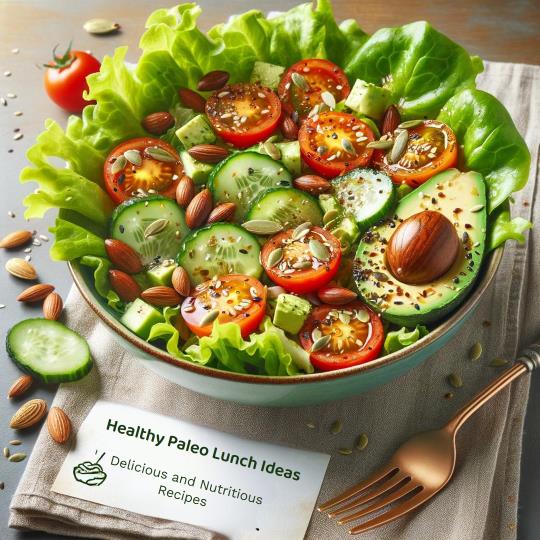
A typical Paleo diet lunch consists of protein, vegetables and healthy fats. This combination provides balance and long-lasting energy throughout the day.
The Paleo diet, also known as the “caveman diet,” is based on the idea that humans should eat foods that were available to our early ancestors. This means avoiding processed foods, grains, and dairy, and focusing on whole foods like meat, poultry, fish, fruits, and vegetables.
A typical Paleo diet lunch should consist of a protein source such as grilled chicken or fish, plenty of non-starchy vegetables like leafy greens, broccoli, and peppers, and healthy fats like avocado or olive oil. This combination of nutrients provides satiety and helps to regulate blood sugar levels, keeping you feeling satisfied and energized for the rest of the day.
Paleo Diet: An Introduction
The Paleo diet is a popular meal plan that involves consuming unprocessed, whole foods similar to what our ancestors ate during the Paleolithic era. This diet primarily consists of lean meats, fish, fruits, vegetables, nuts, and seeds while avoiding processed foods, dairy, grains, and sugar. The philosophy behind this diet is that humans are genetically programmed to eat a diet that consists of wholesome, natural foods, and avoiding modern-day processed foods that could lead to chronic diseases.
Origins Of The Paleo Diet
The concept of the Paleo diet originated in the 1970s when Walter L. Voegtlin, a gastroenterologist, proclaimed that he found relief from his ulcerative colitis by consuming a diet similar to what our ancestors consumed. Loren Cordain, a health and exercise science professor, is widely regarded as the founder of the Paleo diet and published The Paleo Diet book in 2002, which led to the diet’s widespread popularity.
Principles Of The Paleo Diet
The Paleo diet is based on simple principles that aim to mimic the diet of our hunter-gatherer ancestors. It involves consuming foods that are high in protein and healthy fats, and low in carbohydrates with no processed foods, dairy, grains, and sugar. Instead, individuals on this diet are encouraged to consume whole foods such as fresh fruits and vegetables, lean meats, wild-caught fish, and nuts and seeds. The diet excludes processed foods, grains, and refined sugars, which can cause inflammation and contribute to several health problems.
Overall, the Paleo diet mainly involves eating whole, nutritious foods and avoiding processed foods that can have adverse effects on the body. The diet is also considered to be a sustainable way of eating that provides various health benefits. By following the principles of the Paleo diet, individuals can improve their health, lose weight, and reduce their risk of chronic diseases.
Benefits Of A Paleo Diet
A typical Paleo diet lunch includes whole foods like lean meats, vegetables, and healthy fats, which can help improve weight loss and overall health. Eating this way can also reduce inflammation and improve digestion, providing benefits for those with autoimmune diseases or digestive issues.
The Paleo diet, also known as the “caveman diet,” is a popular eating plan that focuses on consuming whole, unprocessed foods and eliminating grains, legumes, dairy, and processed foods from the diet. This approach to eating has several health benefits, including improved energy levels, weight loss and management, reduced inflammation, better digestive health, and improved blood sugar levels. Here’s a closer look at each benefit.
Improved Energy Levels:
The Paleo diet encourages the consumption of nutrient-dense foods that are rich in protein and healthy fats. These foods provide sustained energy throughout the day and keep you feeling fuller for longer. By eliminating processed and refined foods that can cause energy crashes and blood sugar spikes, the Paleo diet can help increase your energy levels and improve your overall mood and well-being.
Weight Loss And Management:
The Paleo diet promotes weight loss and management by focusing on whole, unprocessed foods that are naturally low in calories and high in nutrients. By eliminating grains, legumes, and processed foods, the diet reduces the intake of high-calorie, low-nutrient foods that contribute to weight gain. Additionally, the high protein and healthy fat content of the Paleo diet can help increase satiety and reduce cravings, leading to a decrease in overall calorie intake and weight loss over time.
Reduced Inflammation:
Inflammation is a natural response of the body to injury and infection, but chronic inflammation can contribute to several health problems, including heart disease, diabetes, and autoimmune disorders. The Paleo diet promotes the consumption of anti-inflammatory foods, such as fruits, vegetables, and lean proteins, while eliminating pro-inflammatory foods, such as refined sugar, grains, and processed foods.
Better Digestive Health:
The Paleo diet emphasizes the consumption of whole, unprocessed foods that are rich in fiber, which can improve digestive health. By eliminating grains, legumes, and dairy, the diet reduces the intake of foods that can cause digestive problems, such as bloating, gas, and indigestion. Additionally, the diet promotes the consumption of fermented foods, such as sauerkraut and kimchi, which contain probiotics that can improve gut health and boost immunity.
Improved Blood Sugar Levels:
The Paleo diet promotes the consumption of foods that have a low glycemic index, which means they do not cause rapid spikes in blood sugar levels. By eliminating processed and refined foods that can cause blood sugar imbalances, the diet can help regulate blood sugar levels and reduce the risk of developing type 2 diabetes.
Additionally, the high protein and healthy fat content of the diet can improve insulin sensitivity, leading to better blood sugar control. With these benefits in mind, it’s easy to see why the Paleo diet has become such a popular choice for those looking to improve their health and well-being. By focusing on whole, natural foods, the diet provides a sustainable and effective way to achieve optimal health.
Key Components Of A Paleo Diet Plan
A typical lunch in a paleo diet plan consists of foods that were available to our hunter-gatherer ancestors. It usually includes a protein source such as meat or fish, vegetables, and healthy fats such as avocado or nuts. By following this plan, one can improve their overall health and increase their energy levels.
For those who want to shift to a healthier diet, adopting a Paleo diet plan may be the way to go. The Paleolithic diet, commonly known as the Paleo diet, seeks to mimic the eating habits of humans during the Paleolithic era. This diet plan consists of whole, unprocessed food sources such as meat, fish, vegetables, fruits, nuts, and seeds. These key components of the Paleo diet are rich with the nutrients needed by the body to maintain optimal health.
Meat
Meat is one of the primary foods in a Paleo diet plan. With the Paleo diet, you can consume any type of meat, including chicken, pork, beef, and game meat. Ideally, the meat should be organic, grass-fed, and free-range to ensure you get the maximum nutrients. Meat is a rich source of protein, essential fats, and high-quality amino acids that help the body build and repair tissues.
Fish And Seafood
Fish and seafood are staples in a Paleo diet plan. Rich in omega-3 fatty acids, fish can help promote heart health and improve cognitive function. High in protein and essential minerals, seafood is also a great source of nutrients that can help improve overall physical function.
Eggs
Eggs have long been a breakfast staple, but they play a vital role in a Paleo diet plan too. They are an excellent source of protein, vitamins, and minerals. To ensure that the eggs are of the highest quality, choose pastured eggs. These are eggs from chickens that feed naturally from their natural environments and are richer in nutrients.
Vegetables
Vegetables are an integral part of any balanced diet, and they are no exception in a Paleo diet plan. Vegetables are a rich source of fiber, vitamins, and minerals. The Paleo diet emphasizes eating non-starchy veggies as they are beneficial in promoting gut health and reducing inflammation.
Fruits
Fruits are an excellent source of fiber, vitamins, antioxidants, and minerals, and they provide the body with essential nutrients while still satisfying your sweet tooth. The Paleo diet includes low-sugar fruits like berries, apples, and citrus fruits.
Nuts And Seeds
Nuts and seeds are excellent snacks in a Paleo diet plan, providing the body with healthy fats, protein, vitamins, and minerals. Paleo dieters often choose nuts such as almonds, cashews, and macadamias and seeds like chia, pumpkin, and sunflower seeds. In conclusion, the Paleo diet plan is a way of eating that emphasizes whole, nutritious foods to provide the body with the nutrients needed for optimal health.
With a focus on meat, fish, vegetables, fruits, nuts, and seeds, the Paleo diet plan is rich in nutrients, healthy fats, and protein, and it promotes overall physical and gut health.
Designing A Healthy And Tasty Paleo Lunch
Eating a Paleo diet means consuming more whole foods that were available to our ancestors, such as lean meats, fruits, vegetables, and nuts. Lunchtime doesn’t have to be bland or boring when you’re following the Paleo diet. With a little bit of planning and creativity, you can enjoy a healthy and tasty lunch that will keep you energized throughout the day.
Importance Of Planning Ahead
Planning ahead is key to ensuring that your Paleo lunch is both healthy and delicious. By doing so, you can avoid last-minute decisions that lead to unhealthy takeout or fast food options. Preparedness is also crucial if you need to bring your lunch to work or school. The following tips will help you design a perfect Paleo lunch.
Staples Of A Good Paleo Lunch
When designing a Paleo lunch, your goal should be to achieve a balance of macronutrients, which consist of protein, healthy fats, and carbohydrates mostly from fibrous vegetables and fruits. Some of the staples for a good Paleo lunch include:
| Protein sources | Healthy fats | Vegetables and fruits |
|---|---|---|
| Grilled chicken breast Hard-boiled eggs Salmon | Avocado Olive oil Nuts and seeds | Kale Spinach Broccoli Carrots Apple |
Examples Of Paleo Lunches
Here are a few examples of Paleo lunches that you can prepare in advance:
- Tuna salad with mixed greens, sliced cucumbers, and almond butter dressing
- Grilled chicken breast with roasted vegetables and butternut squash soup
- Baked salmon with steamed broccoli and sweet potato wedges
Easy Paleo Lunch Ideas
If you don’t have the time to prepare elaborate meals, try these easy Paleo lunch ideas:
- Leftover dinner from the night before
- Turkey lettuce wrap with avocado and tomato
- Vegetable frittata
With these tips and ideas, you can design a healthy, tasty Paleo lunch that satisfies your taste buds and nourishes your body.
Typical Paleo Diet Lunch
A typical Paleo diet lunch includes a variety of fresh vegetables, fruits, and lean proteins like salmon, chicken, or grass-fed beef. This meal plan avoids processed foods and grains, focusing on natural ingredients that provide essential nutrients.
Typical Paleo Diet Lunch: The Paleo diet involves eating the same foods that our ancestors consumed during the Paleolithic era. It mainly consists of whole, unprocessed foods that are rich in nutrients and free of additives and preservatives. A typical Paleo diet lunch includes a variety of options that are not only tasty but also healthy and nourishing. In this blog post, we’ll explore all the possible options that you can have for your typical Paleo diet lunch.
Main Dish Options: The main dish of your typical Paleo lunch should be rich in protein and healthy fats. Some of the most popular choices include grilled chicken, beef or pork, wild-caught fish, and eggs. These options not only provide you with enough protein but also keep you full for longer periods. Additionally, you can experiment with different spices, herbs, and marinades to add variety and flavor to your meal.
Side Dish Options: Your typical Paleo lunch should include a variety of colorful vegetables that provide you with essential vitamins, minerals, and antioxidants. Some great options include roasted sweet potatoes, sautéed greens, and a colorful salad. You can also add healthy fats such as avocado, nuts, and seeds to your meal to increase your energy levels and satiety.
Beverage Options: When it comes to beverage options, Paleo advocates suggest drinking water as the primary source of hydration. However, you can also opt for unsweetened herbal teas, coconut water, or freshly squeezed juice from fruits and vegetables. It’s crucial to avoid sugary drinks and processed juices that add unnecessary calories to your diet.
Snack Options: Paleo snacks should be rich in protein, fiber, and healthy fats. Some excellent snack options include hard-boiled eggs, nuts, seeds, and sliced fruits. You can also prepare homemade energy balls or bars with natural ingredients such as dates, coconut, and nuts. These snacks not only satisfy your hunger pangs but also provide you with vital nutrients.
In conclusion, a typical Paleo diet lunch should include a range of whole, unprocessed foods that are rich in protein, fiber, and healthy fats. You can experiment with different flavors and cuisines to create a delicious and nourishing meal that keeps you energized throughout the day. With these options, you can enjoy a healthy and satisfying lunch that supports your overall health and wellness.
Tips For Maintaining A Paleo Diet
Eating a Paleo diet means consuming whole, unprocessed foods that were available to our Paleolithic ancestors. This includes fruits, vegetables, lean meats, nuts, and seeds, while avoiding grains, dairy, and processed foods. Maintaining a Paleo diet takes effort and commitment, but it is often recommended for its health benefits. Here are some tips to help you maintain a Paleo diet:
Meal Prepping
Meal prepping is essential for maintaining a Paleo diet. This means planning and preparing your meals in advance, so you always have healthy, whole foods on hand. This can save time and money, and help you avoid the temptation of processed foods when hungry. Prepping meals even for a few days can go a long way in ensuring a consistent Paleo diet.
Sticking To Whole Foods
Sticking to whole foods is the cornerstone of a Paleo diet. Eating plenty of vegetables, fruits, and lean meats helps to ensure you get the nutrients you need, while avoiding processed, unhealthy foods. Eating whole foods also helps you feel fuller for longer periods, so you snack less and consume fewer calories overall.
Avoiding Processed Foods
Avoiding processed foods means steering clear of packaged and pre-made meals, sugary drinks, and junk food. These foods are typically high in added salt, sugar, and preservatives that can be harmful to your health in the long run. Additionally, processed foods are often high in calories and low in nutrients, which can lead to weight gain and other health problems.
Reading Labels Carefully
When shopping for your Paleo diet, it can be helpful to read labels carefully. This means looking for foods that are free from added sugars, gluten, preservatives, and other harmful additives. You should also avoid foods with long ingredient lists, as these are often high in artificial ingredients and additives.
Eating Mindfully
Eating mindfully means being present when you eat, and paying attention to your body’s signals. This means not eating when you’re distracted, and taking the time to savor your food and enjoy the experience of eating. Eating mindfully has been shown to help with portion control, as well as reducing emotional eating and binge-eating behaviors.
By incorporating these tips into your lifestyle, you can maintain a healthy Paleo diet and experience all of its health benefits.
Common Mistakes People Make On A Paleo Diet
Common mistakes people make on a Paleo diet during lunch include relying too heavily on meat, ignoring vegetable variety, and not consuming enough healthy fats. It’s important to balance your meals with a variety of nutrient-dense foods to achieve optimal health benefits.
The paleo diet has gained popularity in recent years due to its focus on whole, natural foods. However, despite its numerous health benefits, some people still struggle to maintain a balanced paleo diet. In this section, we’ll discuss some of the common mistakes people make on a paleo diet and how to avoid them.
Going Too Low-carb
One common mistake people make when following a paleo diet is going too low in carbohydrates. While it’s true that a paleo diet focuses on low-carb, high-fat foods, it’s still important to consume enough carbohydrates for proper bodily function. When the body is deprived of carbohydrates, it can lead to fatigue, mood swings, and other negative side effects.
Not Eating Enough Variety
Another mistake people make is not eating enough variety in their meals. While a paleo diet primarily focuses on meat, seafood, fruits, and vegetables, it’s important to eat a wide range of these foods to ensure adequate nutrient intake. Eating the same foods repeatedly can lead to nutrient deficiencies and even food boredom.
Eating Too Much Fruit
Fruit is an important part of the paleo diet, but it’s important to not overdo it. While fruits contain many beneficial nutrients, they’re also high in sugar. Eating too much fruit can lead to blood sugar imbalances and other health issues.
Relying On Convenience Foods
Convenience foods like paleo bars, cookies, and other snacks are an easy way to stay on track with a paleo diet, but they can also be problematic. These foods often contain hidden sugars, preservatives, and other unhealthy ingredients. It’s important to limit these foods and rely on whole, natural foods whenever possible.
Not Getting Enough Fiber
Getting enough fiber is important for digestive health and overall well-being. A paleo diet can be low in fiber if not enough fruits and vegetables are consumed. It’s important to incorporate high-fiber foods like leafy greens, berries, and nuts into your meals to ensure adequate fiber intake.
Not Drinking Enough Water
Staying hydrated is important for overall health, and it’s especially important when following a paleo diet. Many people on the paleo diet may not realize that they still need to drink plenty of water. Drinking water can help flush out toxins, improve digestion, and prevent dehydration. Following a paleo diet is an excellent way to improve your health, but it’s important to avoid these common mistakes to ensure you’re getting adequate nutrients and staying on track for optimal health.
Who Should And Should Not Try A Paleo Diet
The paleo diet, also known as the caveman diet, is based on the principle of eating foods that our ancestors consumed during the Paleolithic era. The diet consists of lean meats, seafood, fruits, vegetables, and nuts, while avoiding grains, legumes, and dairy products. While some people have found success in losing weight and improving their health on this diet, it may not be suitable for everyone. It is important to consider who may benefit from the diet, who may need to exercise caution, and the importance of consulting with a healthcare professional before starting a new diet.
Individuals Who May Benefit
The paleo diet may be beneficial for individuals with certain health conditions, such as:
| Health Condition | Reason for Benefit |
|---|---|
| Diabetes | The paleo diet eliminates processed foods and refined sugars, which may help regulate blood sugar levels. |
| Heart disease | The diet emphasizes lean proteins and healthy fats, which may improve heart health. |
| Autoimmune diseases | The diet eliminates foods that may trigger inflammation, which may help alleviate symptoms of autoimmune diseases. |
Individuals Who May Need To Exercise Caution
While the paleo diet may be beneficial for some, it may not be suitable for everyone. Individuals who fall under the following categories may need to exercise caution before starting the diet:
- Pregnant or breastfeeding women: The diet may not provide adequate nutrients required during pregnancy and lactation.
- Individuals with kidney disease: The high protein content of the diet may put strain on the kidneys.
- Individuals with a history of disordered eating: The restrictive nature of the diet may trigger or exacerbate disordered eating patterns
Consulting With A Healthcare Professional Before Starting A New Diet
Before starting a new diet, it is important to consult with a healthcare professional, especially if you have any underlying health conditions or are taking medication. They can help you determine if the diet is suitable for you and provide guidance on how to properly follow the diet to ensure you are receiving an adequate amount of essential nutrients.
Frequently Asked Questions For Typical Paleo Diet Lunch
What Does A Day Of Eating Paleo Look Like?
A day of eating paleo typically consists of lean meats, fish, fruits, vegetables, nuts and seeds. Processed foods, dairy, grains, and sugar are avoided. The focus is on whole, nutrient-dense foods that were available to our hunter-gatherer ancestors. This diet is high in protein, fiber, healthy fats, and low in carbohydrates.
What Foods Are On The Menu For A Person Who Follows The Paleo Diet?
A person following the paleo diet would eat unprocessed, whole foods such as meat, fish, vegetables, fruits, and nuts. This excludes dairy, grains, legumes, and processed foods. The focus is on high protein, fiber, and healthy fats.
What Are 5 Negatives From The Paleo Diet?
Constipation, nutrient deficiency, increased cholesterol levels, potential for heavy metal exposure, and high cost of food are potential negatives of the paleo diet.
What Three Foods Are Excluded From The Paleo Diet?
The three foods excluded from the paleo diet are grains, legumes, and dairy products. The diet focuses on whole foods that our ancestors ate during the Paleolithic era. The aim is to eat foods that are nutrient-dense and easily digestible.
Conclusion
Incorporating a typical Paleo diet lunch into your daily routine can provide numerous health benefits. Not only does it promote weight loss and reduce inflammation, but it also encourages the consumption of whole, nutrient-dense foods. By choosing fresh produce, lean protein sources, and healthy fats, you can fuel your body with the nutrients it needs to thrive.
So, next time you’re preparing your midday meal, consider opting for a Paleo-friendly option.